Issue 2 moves out of Colorado's Vail Valley and into three very different corners of the American Rockies: the Wasatch Range above Park City, Utah; the Tenmile Range above Breckenridge, Colorado; and the Madison Range in southwestern Montana. Same broad mountain system as Issue 1, but each resort here has a personality of its own — one is ski-only and built for polish, one is a five-peak Victorian mining town, and one holds the biggest lift-served vertical drop in the country.
Here we introduce three more North American resorts: Deer Valley Resort, Breckenridge Ski Resort, and Big Sky Resort.
🔽 Quick Navigation
Deer Valley Resort

Wasatch Range, Summit County, Utah · Owned & Operated by Alterra Mountain Company
| Skiable Area | 4,300 acres (1,740 hectares) following the multi-year Expanded Excellence terrain expansion completed for the 25/26 season |
|---|---|
| Trail Count & Levels |
209 trails ● 35% Beginner ■ 44% Intermediate ♦ 21% Advanced / Expert |
| Terrain Zones | Historic Bald Mountain, Flagstaff and Empire zones, plus the new East Village terrain across Park Peak, Big Dutch Peak, Keetley Point and Pioche Point |
| Summit Elevation | 9,570 ft (2,917 m) |
| Base Elevation | 6,450 ft (1966 m) |
| Vertical Drop | 3,120 ft (951 m) |
| Lifts | 32 total, including two gondolas, high-speed six-packs and quads |
| Longest Run | approx. 4.8 miles (7.7 km) |
| Opened | 1981 |
On the Mountain
Deer Valley is one of only three ski-only resorts left in North America — snowboards aren't permitted, and the resort caps daily ticket sales to keep the mountain from feeling crowded.
The 25/26 season brought the largest single-season terrain expansion in North American ski history, more than doubling the resort's size by connecting the historic Bald Mountain side to a new East Village across Park Peak and several neighboring summits.
Grooming here is a point of pride: Deer Valley runs one of the largest snowcat fleets in the industry, so the intermediate terrain in particular stays consistently smooth through the day.
Beyond the Slopes
Deer Valley sits about 3 miles from Park City's Old Town, home to restored 19th-century mining buildings, galleries, and the Egyptian Theatre, and roughly 36 miles from Salt Lake City International Airport, which runs frequent direct flights during ski season.
The resort is known for its service model — ski valet, complimentary storage, and slope-side dining that goes well beyond a standard cafeteria — which draws a different crowd than a typical big-mountain resort.
Utah's dry, low-density snow is a genuine draw here: base elevation sits above 6,500 feet, so a light first day and extra water are still worth planning for, even without the extreme elevation of some Colorado resorts.
Because Deer Valley is skier-only, snowboarders looking to stay in the area typically base at neighboring Park City Mountain instead, which is a short drive away and shares the same valley.

On-Mountain Layering
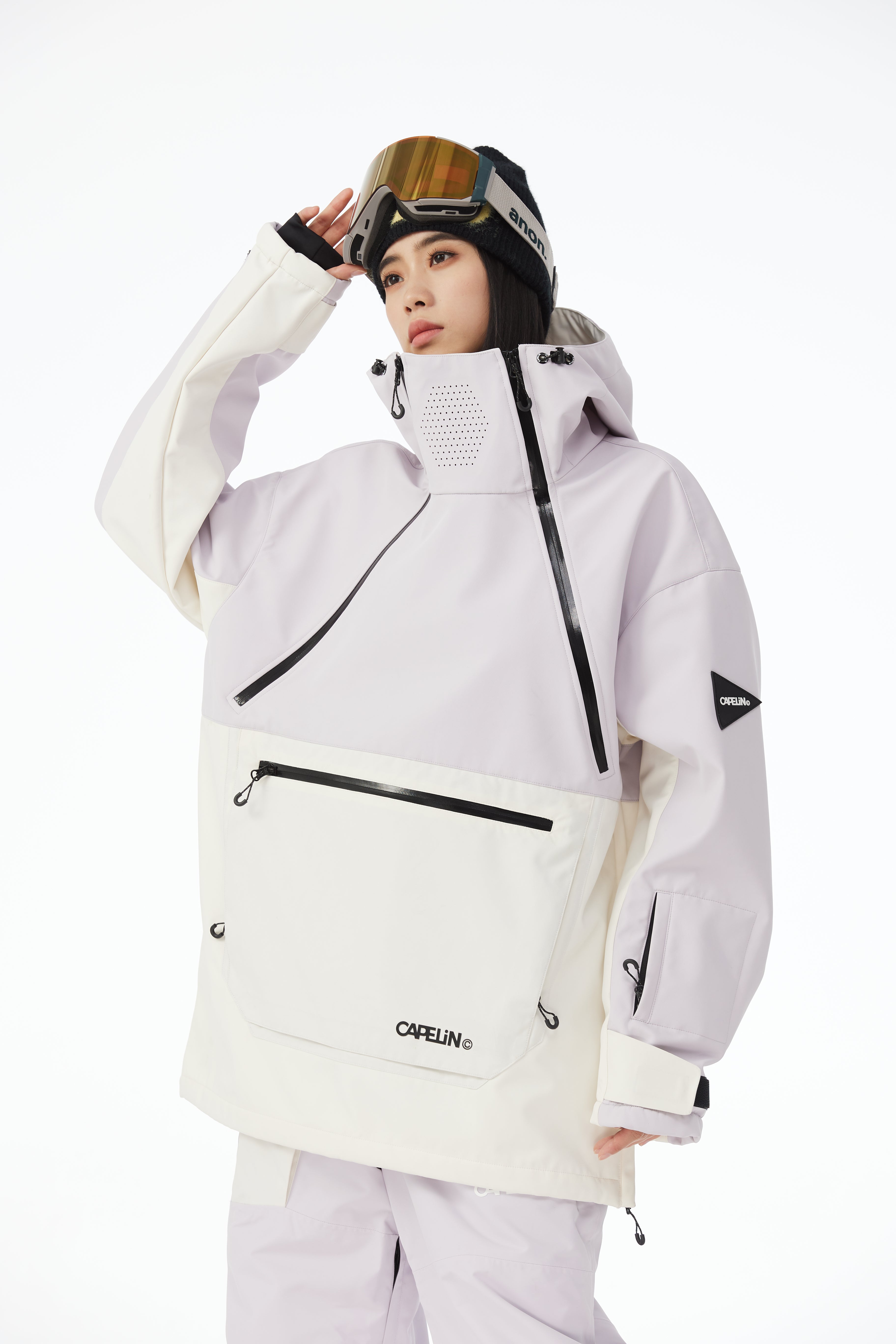
Deer Valley's terrain is mostly wide, groomed cruisers rather than steep or exposed lines, so the priority here is a set that stays comfortable through a full day of continuous laps rather than a heavily insulated, expedition-style build. The Earth Men's Snowboard Jacket paired with the Trek Unisex Snowboard Pant is a light, 2-layer waterproof-breathable combination that suits Deer Valley's groomer-heavy day better than a bulkier insulated set, with enough room underneath to layer up for the colder East Village mornings.
Breckenridge Ski Resort

Summit County, Colorado · Owned & Operated by Vail Resorts
| Skiable Area | 2,908 acres (1,177 hectares) across five peaks |
|---|---|
| Trail Count & Levels |
187 trails ● 14% Beginner ■ 31% Intermediate ♦ 19% Advanced ♦♦ 36% Expert |
| Five Peaks | Peak 6, Peak 7, Peak 8, Peak 9, Peak 10 — connected by the free BreckConnect Gondola and a high-speed lift network |
| Summit Elevation | 12,998 ft (3,962 m) at the top of the Imperial Express SuperChair — the highest lift-served point in North America |
| Base Elevation | 9,600 ft (2,926 m) |
| Vertical Drop | 3,398 ft (1,036 m) |
| Lifts | 35 total, including the BreckConnect Gondola and multiple high-speed six-packs |
| Longest Run | Four O'Clock — approx. 3.5 miles (5.6 km) |
| Opened | 1961 |
On the Mountain
Breckenridge is built across five numbered peaks running north to south, and each one plays a different role on the mountain.
Peak 8 and Peak 9 hold most of the resort's classic groomers and are the natural starting point for a first visit, while Peak 7 mainly connects the two sides of the mountain.
Peak 6, the newest zone, has quieter intermediate and hike-to expert terrain, and Peak 10 leans toward steeper, mogul-heavy runs.
The signature feature is Imperial Bowl, reached by a short hike from the top of the Imperial Express SuperChair — above-treeline, double-black terrain near 13,000 feet that opens only when ski patrol clears it.
Beyond the Slopes
Breckenridge is a genuine former mining town, and its Main Street — walkable, lined with Victorian-era buildings, restaurants, and breweries — sits directly at the base of the mountain, connected by the free BreckConnect Gondola.
The town is about 80 miles west of Denver on I-70, roughly 1.5–2 hours by car depending on traffic and weather over the mountain passes.
Because Breckenridge is one of the highest towns in Colorado, altitude is a real factor here — the base itself sits above 9,600 feet, higher than the summits of many other U.S. resorts.
Wind can occasionally put the highest lifts, including the Imperial Express, on hold, so it's worth having a lower-mountain plan for gusty days.

On-Mountain Layering
The trip from town up to the Imperial Express means a genuine jump in exposure — the top of Peak 8 sits nearly 3,400 feet above Main Street, and wind at that elevation cuts fast. The Haku Women's 3L Insulated Snowboard Jacket paired with the East Unisex 3L Shell Snowboard Pant holds up well on the exposed ridge lines while still being comfortable riding the gondola back into town for lunch.
Big Sky Resort

Madison Range, Big Sky, Montana · Owned & Operated by Boyne Resorts
| Skiable Area | 5,850 acres (2,368 hectares) — one of the largest single ski areas in North America |
|---|---|
| Trail Count & Levels |
320+ trails ● 15% Beginner ■ 25% Intermediate ♦♦ 60% Advanced / Expert |
| Terrain Areas | Lone Peak, Andesite Mountain, and the former Moonlight Basin terrain, unified under one resort since 2013 |
| Summit Elevation | 11,166 ft (3,403 m) at Lone Peak, reached by the Lone Peak Tram |
| Base Elevation | 6,800–7,500 ft depending on base area (2,073–2,286 m) |
| Vertical Drop | 4,350 ft (1,326 m) — one of the largest lift-served vertical drops in the country |
| Lifts | 40 total, including the Lone Peak Tram and the Explorer Gondola |
| Longest Run | approx. 6 miles (10 km) |
| Opened | 1973 |
On the Mountain
Big Sky is built around Lone Mountain, and its scale comes from combining three formerly separate areas — the original Big Sky terrain, Andesite Mountain, and the neighboring Moonlight Basin — into one connected ski area.
The Lone Peak Tram carries riders to the 11,166-foot summit, opening up steep, mostly treeless expert terrain including the Big Couloir, a permit-required, ski-patrol-monitored line right off the top.
Andesite Mountain and the lower flanks of Lone Peak cover most of the beginner and intermediate terrain, while Moonlight Basin's north-facing slopes tend to hold snow quality longer into the day.
Even with its reputation for extreme terrain, Big Sky's trail mix leaves real room for intermediates — the resort is simply big enough that all ability levels can find open, uncrowded runs.
Beyond the Slopes
The resort's Mountain Village base area is compact and walkable, with lodging, restaurants, and shops clustered around the base of the gondolas.
Big Sky is about 50 miles south of Bozeman, roughly an hour's drive from Bozeman Yellowstone International Airport, which runs direct flights from a number of U.S. hubs in winter.
Yellowstone National Park's west entrance is about an hour further south, making it realistic to combine a ski trip with a winter visit to the park.
Montana's cold, dry storms mean the snow here tends to stay light rather than heavy and wet, but conditions can also turn genuinely cold — sub-zero mornings are common in January.

On-Mountain Layering
Lone Peak's exposed, treeless upper terrain and Montana's genuinely cold storms call for a more rugged setup than a village-groomer day would need. The Darkwave Men's Snowboard Jacket paired with the Torque Unisex Snowboard Pant holds up well on the tram-served upper mountain.
Closing Thoughts
These three resorts stretch the range even further than Issue 1. Deer Valley is about polish and consistency — groomed terrain, capped crowds, and a ski-only mountain built for a smooth day rather than a rowdy one. Breckenridge trades that calm for a five-peak, high-alpine playground wrapped around a genuine historic town, with some of the highest lift-served terrain anywhere. Big Sky goes bigger still, combining three mountains into one of the largest lift-served vertical drops in the country. As with Issue 1, none of these is objectively "better" than the others — the right pick depends on whether you want polish, altitude, or scale, and in every case, dialing in your layers ahead of time makes the first day noticeably easier.
❓Frequently Asked Questions
Q1: Which of these three resorts is best for a first-time skier?
Deer Valley is the most beginner-friendly of the three, with over a third of its terrain rated beginner and grooming that keeps intermediate runs consistently smooth. Breckenridge's Peak 8 and Peak 9 areas also work well for newer skiers, though the resort as a whole leans more advanced. Big Sky is the most demanding of the three for a first trip — 60% of its terrain is rated advanced or expert, so beginners should stick to the lower slopes of Andesite Mountain.
Q2: Do I need to worry about altitude sickness at these resorts?
It's worth planning for, especially at Breckenridge, where the base sits above 9,600 feet and the highest lift-served point is nearly 13,000 feet — among the highest in North America. Deer Valley's base is lower, around 6,450 feet, and Big Sky's main base areas sit between roughly 6,800 and 7,500 feet, with Lone Peak's summit at 11,166 feet. Hydrating well, limiting alcohol early on, and easing into the first day's terrain all help regardless of which resort you choose.
Q3: What's the best time of season to visit for good snow?
All three typically run from late November into April, with January and February generally offering the coldest, driest conditions and the most reliable base. Big Sky, given its northerly Montana location, tends to hold cold, light snow well and often skis into late April; Deer Valley's Utah location is known for lower-density, drier snowfall through the winter months.
Q4: Can I snowboard at Deer Valley?
No — Deer Valley is one of only three ski-only resorts remaining in North America, alongside Alta Ski Area and Mad River Glen. Snowboarders visiting the Park City area typically base at neighboring Park City Mountain instead, which is a short drive away in the same valley. Both Breckenridge and Big Sky welcome skiers and snowboarders alike.
Q5: How should I pack differently for these three resorts?
Deer Valley's groomer-heavy terrain is comfortable in a standard breathable 3L shell without heavy insulation. Breckenridge's high-alpine, wind-exposed terrain rewards a warmer, insulated layer for time spent above treeline. Big Sky's combination of tram-served exposed terrain and genuinely cold Montana mornings is the most demanding of the three — a solid base layer is worth the investment here, not just an afterthought.