Pick up almost any outdoor gear tag today and you'll spot words like "eco-friendly," "recycled," or "sustainable." What brands rarely explain is what those words actually mean, or how much of it is really happening. This article skips the slogans and focuses on the things that actually determine whether a piece of sustainable outdoor gear deserves the label: fibers, coatings, durability, and certifications — whether you're a hiker, a commuter, a traveler, or just someone who spends a lot of time outdoors.
🔽 Quick Navigation
- 📌 Why "Sustainable Outdoor Wear" Is Harder to Define Than It Sounds
- 📌 Recycled Fibers vs. Virgin Synthetics: What Actually Changes in Performance
- 📌 PFAS-Free DWR Coatings: The Shift Away from "Forever Chemicals"
- 📌 Durability as Sustainability: Why a Jacket That Lasts 10 Years Beats One That Lasts 2
- 📌 Reading the Label: Certifications Worth Trusting vs. Marketing Buzzwords
- 📌 Caring for Gear the Right Way So It Doesn't End Up in Landfill Early
- 📌 True Sustainable Outdoor Gear: Traceable Fabrics, Advanced Coatings, and Long Service Life
- ❓FAQ
Why "Sustainable Outdoor Wear" Is Harder to Define Than It Sounds

The problem is that "sustainable" was never a yes-or-no label — it's a bundle of trade-offs. Where the raw material comes from, how much water and energy production consumes, how long the fabric lasts, how easy it is to wash and maintain, and whether it can be recycled at the end of its life all factor in. A shell jacket made from 100% recycled polyester isn't automatically better for the planet if the coating fails and it gets tossed after a year — a jacket built from virgin fabric that lasts five-plus years can easily come out ahead on the actual environmental math.
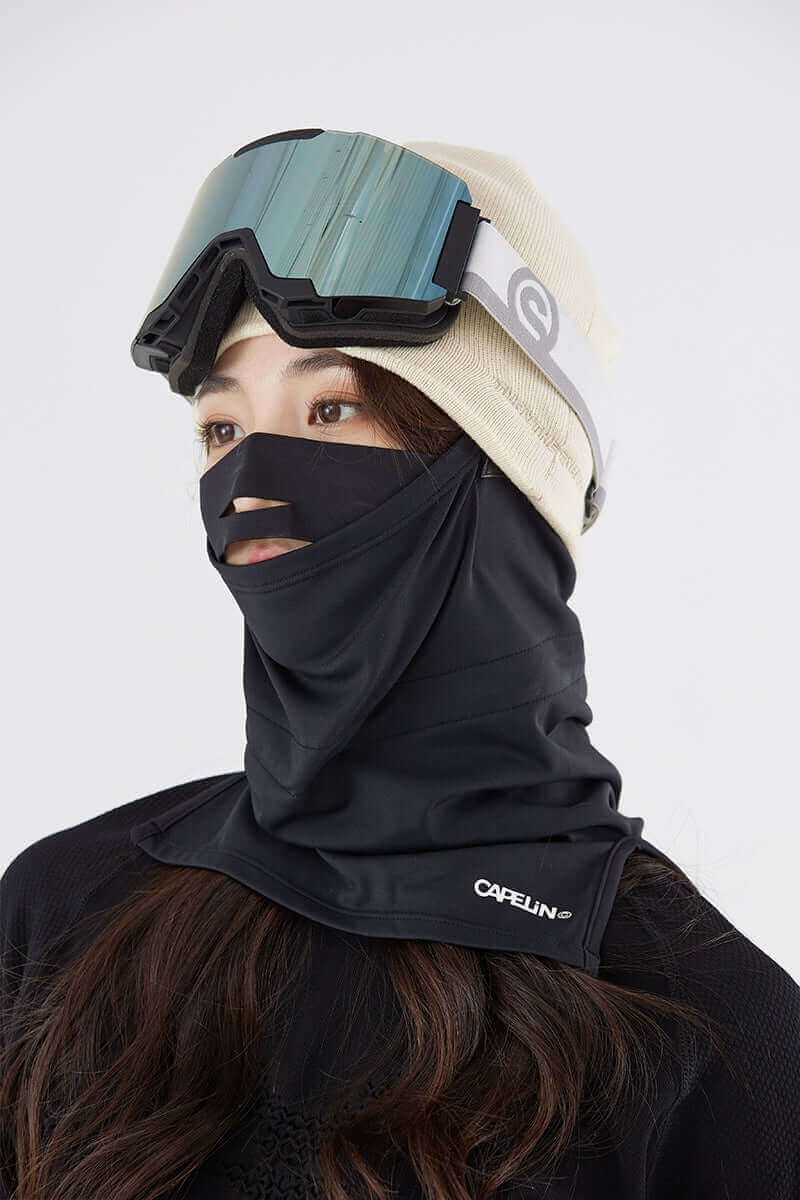
That's why more brands are breaking sustainability down into verifiable dimensions — fiber origin, DWR chemistry, durability of construction, supply-chain certifications — instead of slapping on a vague "green" label. Capelin Crew's outdoor apparel collection, for example, is organized this way: whether it's a rain jacket, a windbreaker, or a pair of cargo pants, each product page spells out the actual fabric composition and treatment rather than a blanket "eco-friendly" claim.
Recycled Fibers vs. Virgin Synthetics: What Actually Changes in Performance

Recycled fiber (typically sourced from plastic bottles or textile waste) and virgin synthetic fiber are nearly identical chemically — polyester is polyester, whether it started as crude oil or a bottle. The real difference happens on the production side: making recycled polyester generally uses less energy and produces fewer emissions, since it skips the step of refining virgin polymer from crude oil.
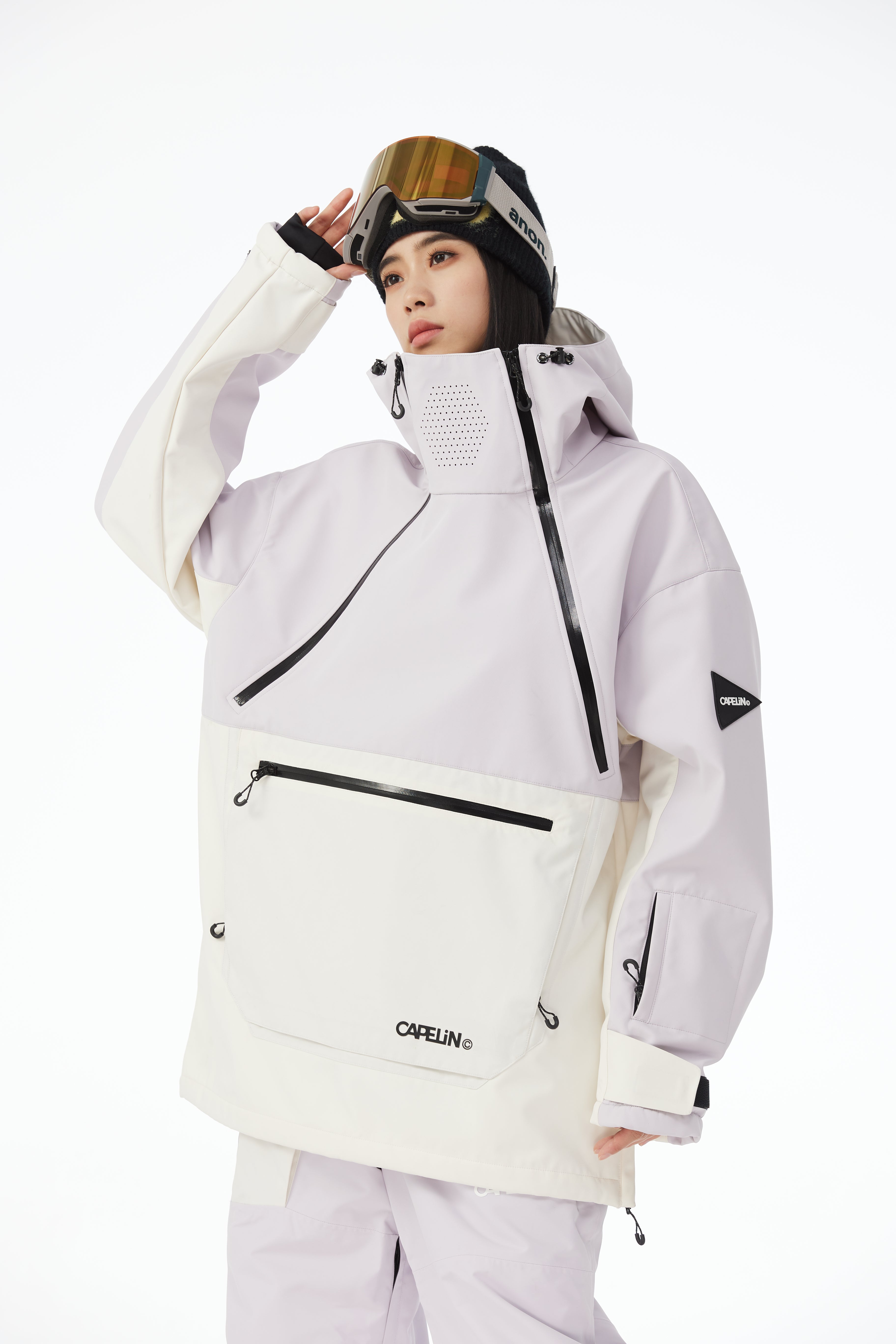
What matters more to most people, though, is whether wearing it feels any different. As long as the construction is solid, it usually doesn't. Take the 3L windbreaker jacket as an example — it uses a professional 3-layer polyester fabric with a TPU laminate, rated at 20,000mm waterproofing and 15,000g/m²/24hr breathability. Those numbers hold up against comparable jackets built from virgin fabric; the recycled content doesn't cost you performance. In other words, recycled fiber isn't a compromise anymore — it's a mature alternative, equally at home on a daily commute or a long hike.
PFAS-Free DWR Coatings: The Shift Away from "Forever Chemicals"

Traditional DWR (durable water repellent) coatings have long relied on PFAS compounds — the "forever chemicals" that barely break down in the environment, which is why the EU and North America have been tightening regulations on them. One of the most substantial shifts in the outdoor industry over the past few years has been moving DWR formulas away from fluorinated chemistry toward PFAS-free/PFC-free systems.
That shift hasn't been free of trade-offs — early fluorine-free coatings genuinely lagged behind in durability and water beading compared to traditional versions. But the formulas have gone through several generations of improvement since then, and mainstream PFAS-free DWR now performs close to traditional coatings under normal use and care. Capelin Crew's waterproof raincoat line builds "sustainable production" directly into how it positions the product, using PFAS-free treatment across the board — water beads and rolls off the surface rather than soaking in. If you want a quick way to check whether a piece of gear uses a fluorine-free coating, reading the fabric details on the product page is usually more reliable than trusting the marketing copy.
Durability as Sustainability: Why a Jacket That Lasts 10 Years Beats One That Lasts 2

This might be the most overlooked point in the whole conversation — and the most important one. Even the most eco-conscious materials don't add up to much if the product has a short lifespan. Most of a jacket's carbon and water footprint happens during manufacturing, not during wear or disposal — so extending a product's life is itself a form of emissions reduction.
Durability comes down to specific construction choices: whether seams are properly sealed, whether the fabric resists abrasion, whether zippers and other high-wear points are built to last. Take pants as an example — the men's cargo pant is reinforced at the knees and built with a water-repellent, quick-dry fabric designed for frequent use on hikes, travel, and everyday wear. Details like reinforced stress points do more to determine how long a piece of gear actually lasts than any "eco-friendly fabric" label on its own.
Reading the Label: Certifications Worth Trusting vs. Marketing Buzzwords

Facing a tag crowded with logos and acronyms, it's genuinely hard to tell which ones represent independently audited standards and which are just brand-written marketing copy. A few certifications with real third-party oversight worth knowing: BSCI, GRS, and GOTS. All of these require factories to pass outside audits — they're not something a brand can simply claim for itself.
By contrast, terms like "eco-friendly," "green technology," or "sustainable fabric" without any certification or specific material breakdown attached are essentially marketing language — they might be true, but there's no way to verify them. Capelin Crew's About Us page spells this out directly, stating that its manufacturing is BSCI certified and that its products use PFAS-free treatments and recycled fabric yarns. That kind of specificity — naming the certification and the actual treatment — is worth far more than a vague "eco-friendly" claim, because it gives you something you can actually verify.
Caring for Gear the Right Way So It Doesn't End Up in Landfill Early

As mentioned above, durability is part of sustainability — and durability is half determined by how you take care of the gear day to day. A lot of outdoor gear gets retired early not because the fabric wore out, but because improper washing damaged the waterproof coating.
A few basics: use a cleaner made for technical outdoor gear rather than regular laundry detergent or fabric softener, which can clog the fabric's pores with residue. Machine wash on a gentle cycle with cold or warm water. If water repellency has faded after washing, a low-to-medium heat dryer cycle or ironing (with a cloth barrier) can usually reactivate the DWR coating. New gear doesn't need to be washed before first use — the DWR coating performs best right out of the box. The payoff from consistent maintenance is straightforward: properly cared-for waterproof gear typically lasts several years longer than gear that's neglected — which is itself the most direct form of waste reduction.
True Sustainable Outdoor Gear: Traceable Fabrics, Advanced Coatings, and Long Service Life
Once you break it down this way, "sustainable" stops being something a single label can prove — it lives in where the fiber came from, what chemistry is in the coating, and whether a piece of gear can actually hold up over years of hiking, commuting, and travel, not just one season.
At the end of the day, judging whether a piece of sustainable outdoor gear actually lives up to the name comes down to three concrete questions: where did the fabric come from, what chemical system is in the coating, and how long can this piece of gear realistically go the distance with you? Asking those three questions is worth a lot more than trusting any single line of marketing copy.
❓Sustainable Outdoor Gear FAQs: Is "Eco-Friendly" Outdoor Apparel Worth the Extra Cost
Q1: Is gear made from recycled fabric always more expensive than regular gear?
Not necessarily. The cost of recycled fiber itself has moved much closer to virgin synthetic fiber over time. Price differences usually come down to brand positioning or added technical features and proprietary coatings — not the recycled content itself.
Q2: Does PFAS-free coating lose its water repellency faster over time?
All DWR coatings degrade with use and washing — that's true whether they're fluorine-free or traditional. The difference is that fluorine-free coatings are more sensitive to how they're cared for; regular reactivation using the methods above can keep performance close to what it was when new.
Q3: Is paying more for more durable gear worth it long-term?
Usually yes, from both an environmental and a financial standpoint. A shell jacket or pair of cargo pants that reliably lasts several years typically costs less per use than a cheaper product you replace every year or two — and it also avoids the repeated carbon footprint of manufacturing a replacement.
Q4: Does having more certifications automatically mean a product is more sustainable?
Not necessarily. The number of certifications matters less than whether they cover what you actually care about — recycled content percentage, chemical use, labor conditions — and whether they're verifiable third-party certifications rather than a brand's self-created badge.