Even the best women's snowboard jacket only does half the job — what you wear underneath it usually matters just as much for staying warm and dry on the mountain. Get the layering wrong and you'll either sweat through a mid-layer on a mild groomer day or freeze on a chairlift despite an expensive shell. This guide breaks down how to actually build a layering system underneath a women's snowboarding jacket, temperature by temperature, so you're not guessing every time the forecast changes.
🔽 Quick Navigation
- 📌 Why Layering Strategy Matters as Much as the Jacket Itself
- 📌 Base Layer: The Foundation
- 📌 Mid Layer: Where Most People Get It Wrong
- 📌 Matching Layers to Temperature
- 📌 Common Layering Mistakes to Avoid
- 📌 Conclusion
- ❓FAQ
Why Layering Strategy Matters as Much as the Jacket Itself![]()

A women's snowboard jacket, whether insulated or shell, is only one part of a three-layer system: base layer, mid layer, and outer shell. Each layer does a different job — the base layer manages moisture against your skin, the mid layer traps warm air close to your body, and the jacket blocks wind, snow, and outside moisture from getting in. Skipping or mismatching any one of these usually shows up as the same complaint: cold standing at the lift line, then sweaty on the way down. The right combination depends less on how expensive your jacket is and more on how well the three layers work together for the conditions you're actually riding in that day. A rider who buys a top-tier insulated jacket but pairs it with a cotton t-shirt underneath will generally be less comfortable than someone in a mid-range shell running a proper base-and-mid combination — the system matters more than any single piece within it.
It's also worth remembering that layering isn't a one-time decision made in the car park. Conditions shift meaningfully over a single day — a cold, still morning can turn into a warm, sun-exposed afternoon by 1pm — and the best layering systems are the ones that let you add or remove a piece in under a minute, ideally without taking your jacket fully off in the cold.
Base Layer: The Foundation
 The base layer sits directly against skin, so its job is moving sweat away from your body rather than adding bulk or warmth on its own. Merino wool is the standard recommendation for good reason — it manages moisture well, resists odor over a full day on the hill, and, unlike synthetic base layers, stays reasonably warm even when slightly damp. Cotton does the opposite of all of this: it soaks up sweat and holds it against your skin, which cools you down rapidly the moment you stop moving, and should be avoided entirely under a snowboard jacket regardless of the outside temperature.
A snug, non-restrictive fit matters more for the base layer than for any other piece in the system, since a loose or baggy base layer bunches up under everything else and stops doing its job efficiently — you lose the close skin contact that actually wicks moisture away.

The Ultra-Fine Merino Wool Unisex Thermal Base Layer is an ideal first layer for building a ski layering system. Made from ultra-fine merino wool, it combines a soft feel, moisture-wicking performance, and temperature regulation to help keep skiers dry during high-intensity runs while providing consistent warmth and comfort in cold conditions. Whether paired with a hardshell jacket for all-day skiing or worn under an insulated ski jacket in low temperatures, this base layer allows skiers to adjust their clothing system according to changing weather and activity levels.
Mid Layer: Where Most People Get It Wrong


If your jacket already includes built-in insulation, such as the Haku Women’s 3L Insulated Snowboard Jacket, your layering strategy should be adjusted accordingly. Haku features a three-layer construction with integrated insulation, providing consistent warmth in cold ski resort conditions. In most situations, pairing it with only a lightweight base layer or a thin mid-layer is enough. For skiers who mainly ride groomed slopes and spend less time on high-intensity climbs or extended activity, this combination reduces layering complexity while maintaining comfort and freedom of movement.
Matching Layers to Temperature

For mild days
For mild days, roughly at or above freezing, a merino base layer under a shell jacket is usually enough on its own. This is exactly the kind of situation where an insulated jacket can feel too warm once you start moving and your body temperature rises. In these conditions, a shell jacket worn with only a base layer can actually provide better comfort than automatically choosing heavier, more insulated gear.
For cold days
For cold days, roughly 15-32°F (-9 to 0°C), add a light-to-mid-weight fleece or thin puffer between the base layer and the jacket. This is the most common setup for a full resort day in typical winter conditions, and it works reasonably well whether you're wearing an insulated jacket or a shell, since the mid-layer thickness can be adjusted independently of which jacket style you own.
For genuinely extreme cold
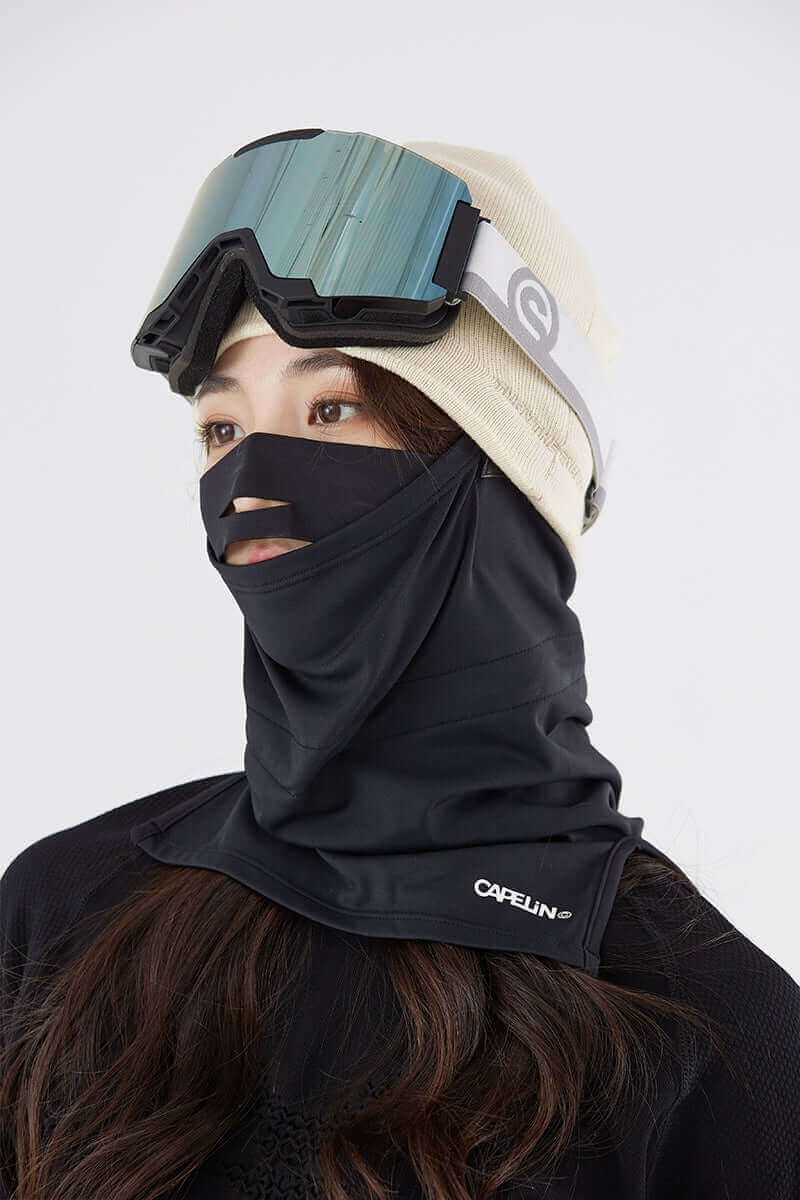
For genuinely extreme cold — well below freezing, especially with wind exposure at higher elevation — a heavier mid-layer paired with an insulated jacket becomes worth the added bulk. This is also the point where accessories start mattering nearly as much as the jacket itself: a neck gaiter to seal off the collar gap, a warmer glove or mitten, and a base layer bottom to match your base layer top all become part of the same system rather than optional extras.
Common Layering Mistakes to Avoid

- The first common mistake, by a wide margin, is wearing cotton anywhere in the system — it holds moisture against skin instead of moving it away, and once damp, it actively cools you down rather than insulating, which is the opposite of what you want on a chairlift in the wind.
- The second common mistake is over-layering on a mild day and then having nowhere practical to put the extra mid-layer once you've stripped it off mid-run; packable, compressible mid-layers solve this cleanly, while bulky sweaters or heavy fleeces just end up tied awkwardly around your waist.
- The third mistake is ignoring built-in venting — many jackets, including park-oriented cuts like the Ace Women's Pullover Snowboard Jacket, have underarm or side vents specifically designed so you can dump excess heat during high-effort moments without removing a layer entirely. Using these vents is often a faster, more effective fix than second-guessing what you're wearing underneath.

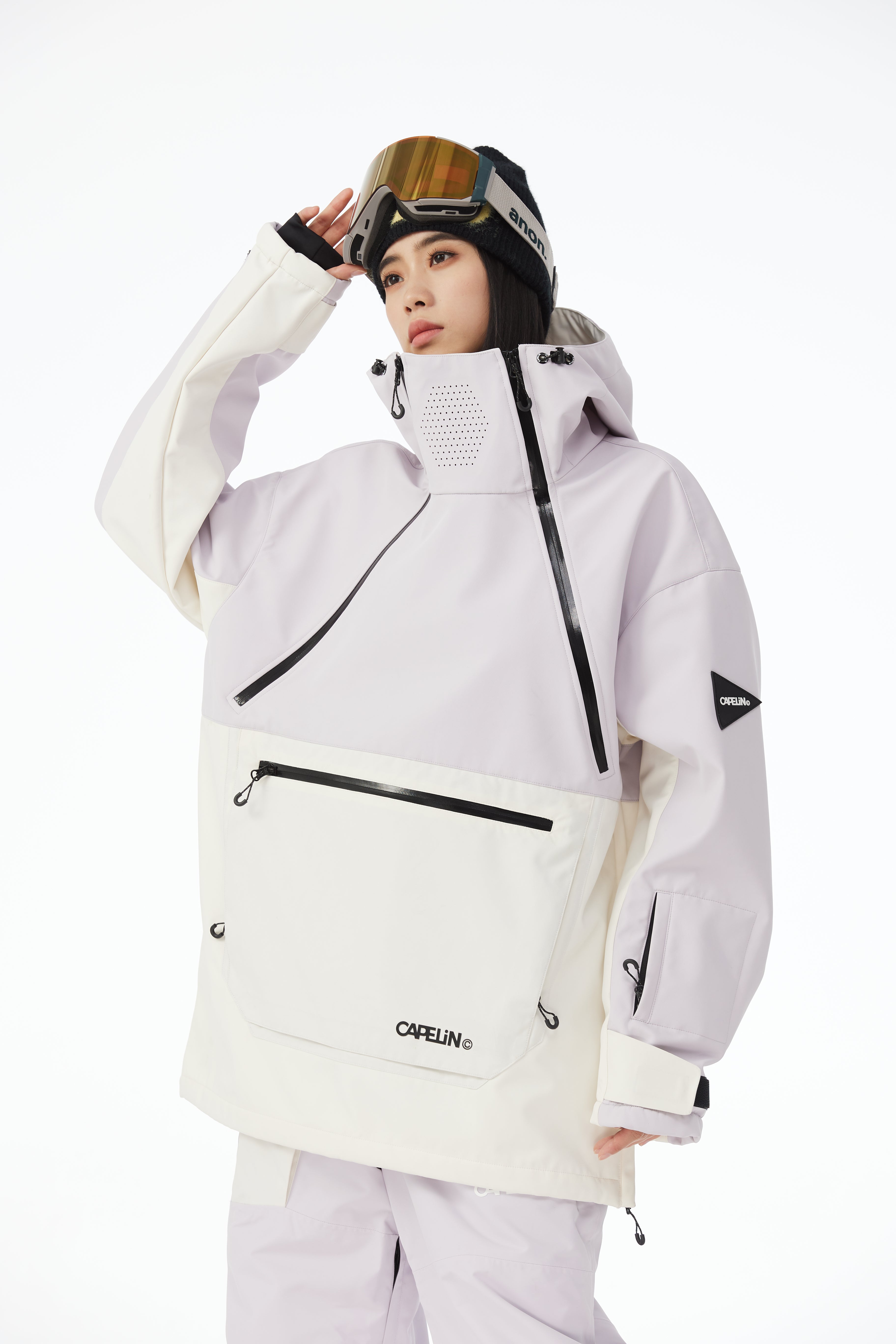
The Ace Women’s Pullover Snowboard Jacket is designed for terrain park riding, groomed slope cruising, and everyday resort use. It features windproof and waterproof fabric with built-in insulation to provide warmth and protection while maintaining a lightweight feel. The pullover design offers a clean fit, while underarm vents help release excess heat during active riding. With waterproof seams, a wind-blocking collar, and functional pockets, Ace balances warmth, protection, and mobility, making it ideal for riders who prefer continuous runs and a simple layering system.
Conclusion
Layering under a women's snowboard jacket isn't about owning the single warmest possible mid-layer you can find — it's about building a flexible system you can genuinely adjust as conditions and your own effort level change through the day. A good merino base layer, a packable mid-layer you can actually stuff into a bag without a fuss, and a jacket matched to your typical riding style will get you through most conditions comfortably, without overthinking it run to run. Dial in the right combination once for your local mountain's usual temperature range, and layering stops being a daily guessing game and becomes something closer to muscle memory.
❓FAQ
Q1: Do I need a different base layer for cold versus mild days?
Not necessarily a completely different one, but a different weight — a lightweight merino base layer works well across most conditions, while a heavier-weight base layer bottom is worth adding specifically for extreme cold or long, exposed lift lines.
Q2: Can I skip the mid layer entirely if my jacket is already insulated?
On mild-to-cold days, often yes. But keeping a thin, packable mid-layer in your bag is still worth it for unexpected temperature drops or if you end up riding into the evening, since even insulated jackets can run cold once the sun goes down.
Q3: How do I know if I'm over-layering rather than under-layering?
If you're sweating heavily within the first few runs of the day, even before you hit any high-effort terrain, that's a clear sign to remove a layer or use your jacket's vents rather than push through it. Persistent dampness trapped under your layers is generally a bigger comfort problem over a full day than being briefly cold for the first ten minutes.
Q4: Is it worth buying a matching base-layer top and bottom, or can I mix brands?
A matching set isn't essential, but keeping both pieces in a similar weight and fabric — merino with merino, synthetic with synthetic — helps the system regulate temperature evenly rather than leaving one half of your body warmer or damper than the other by the end of the day.