If you're a beginner skier and struggling with choosing and purchasing ski equipment ,this includes: ski suits, ski pants, ski socks, ski innerwear,ski boots, etc.
This article will systematically explain beginner ski clothing guidelines, helping you understand how to correctly choose and buy truly practical ski equipment.
🔽 Quick Navigation
- 📌 What Ski Equipment Should Beginners Buy?
- 📌 How to Choose Ski Suit That Keeps You Warm
- 📌 Can regular pants be used instead of ski pants?
- 📌 How to choose ski socks?
- 📌 How to Choose Ski Innerwear
- 📌 Common Skiing Clothing Mistakes for Beginners
- 🧭 Summary
- ❓FAQ
What Ski Equipment Should Beginners Buy?
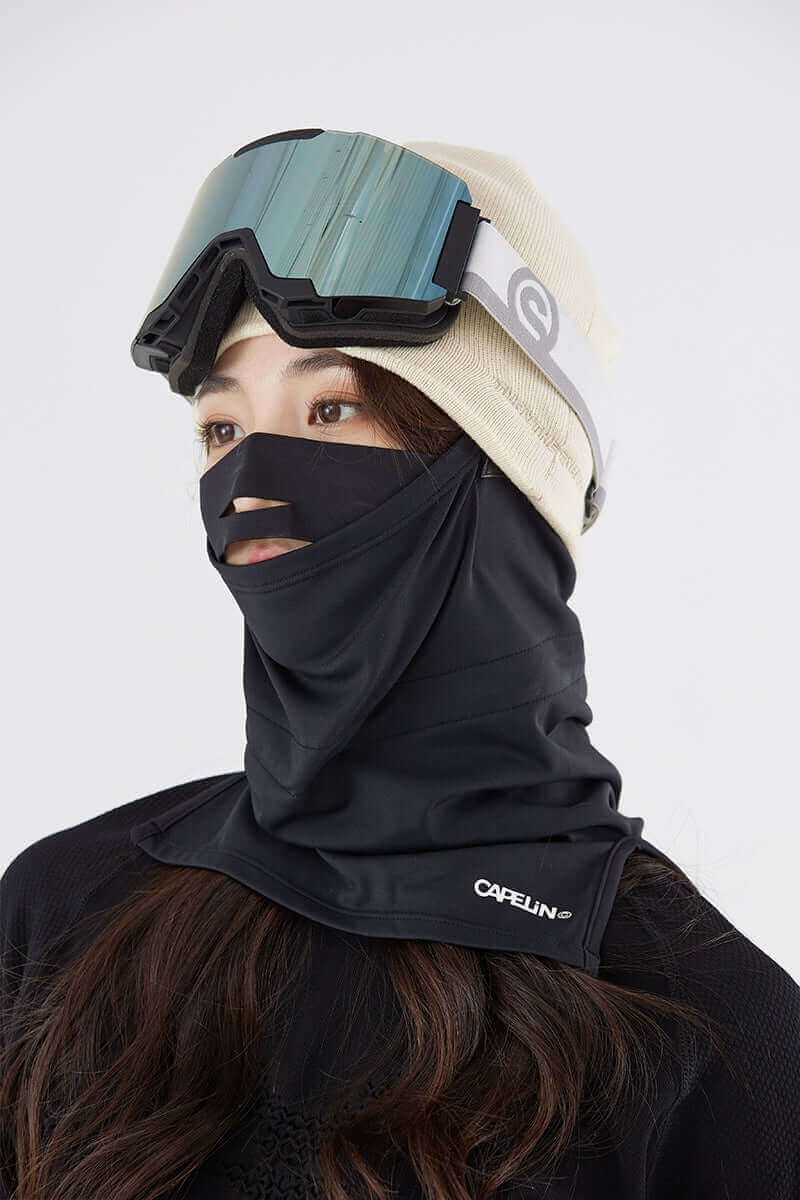
Beginner skiers should choose warm and moisture-proof equipment, mainly including: ski suits, ski pants, ski socks, ski innerwear, ski masks, and other warm items. Skis and other equipment can be rented for beginners. Ski suits and other clothing should provide warmth, moisture-proofing, and breathability. If you wear anything haphazardly, you'll feel extremely cold when you're soaked in sweat. The core principle of ski equipment is keeping dry, not just simply keeping warm.
How to Choose Ski Suit That Keeps You Warm
Don't just focus on the appearance when choosing ski suits; practicality is paramount.
1. Waterproof Rating
The waterproof rating is a crucial parameter for ski suits:
- • If you ski occasionally, a 5000mm waterproof rating is sufficient.
- • A 10000mm waterproof rating means you can handle most snow conditions.
- • A 20000mm waterproof rating is more suitable for heavy snow and advanced skiers.
2. Breathability
Breathability is also very important for ski suits. For beginners, a 1000g breathability rating is generally sufficient.
3. Does it include a ski skirt?
Many beginners wonder what a ski skirt is. A snow skirt (also called a powder skirt) is a special windproof and waterproof lining along the inside of the jacket's hem. Its core function is to prevent snow from entering the jacket from the waist and abdomen when falling or skiing in powder, while also locking in body heat to prevent hypothermia. A snow skirt is crucial for beginners, especially those who frequently fall when first learning to ski, as it effectively prevents snow from getting inside the clothing.
4. Product Recommendation

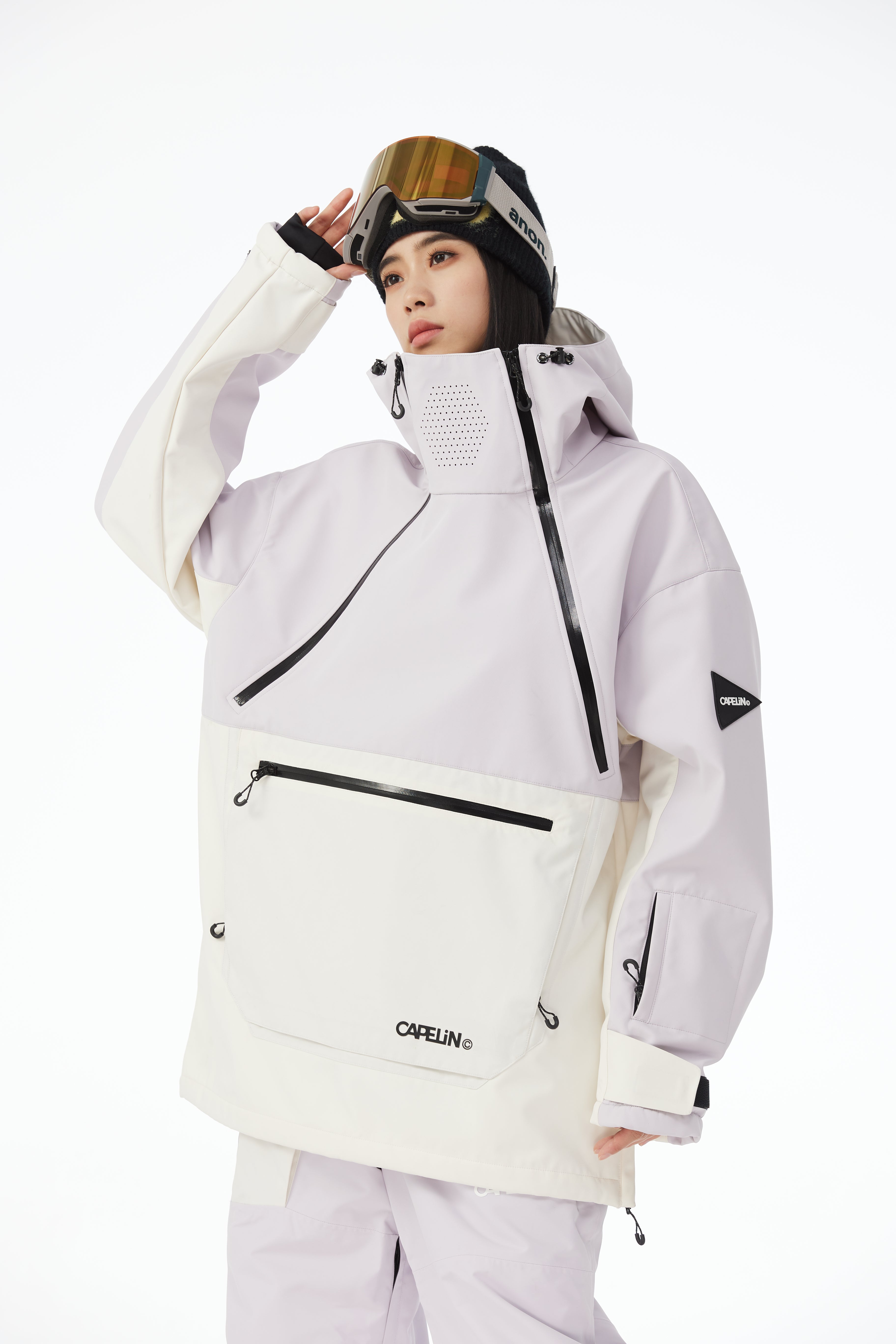
This men's ski jacket uses double-layer TPU composite fabric with double-layer full-seam taping technology. It is fluffy and compressible, with a waterproof rating of 10000mm and a breathability of 10000g. The high-neck design with elastic drawstrings enhances warmth. Zippers at the chest and cuffs provide convenient storage, while underarm zippers improve breathability and moisture-wicking properties. The snow skirt design prevents snow from entering and enhances warmth.
Can regular pants be used instead of ski pants?
Obviously, ski pants shouldn't be replaced with regular pants. Even if regular pants are highly waterproof, they can't replace ski pants. Like ski suits, ski pants need to be both waterproof and breathable. If your pants are sweaty after skiing, you'll feel cold, and coldness will cause your leg muscles to stiffen, potentially leading to accidents while skiing.
Choosing ski pants is similar to choosing ski suits; focus on breathability, waterproofing, and other features such as breathable zippers on the inner thighs. Reinforced cuffs can extend the lifespan of ski pants.
How to choose ski socks?
Some might think, "Do I really need to buy ski socks?" If you choose regular socks for skiing, they won't keep you warm and can cause chafing on your heels. Ski socks are often overlooked by beginners, but they have a significant impact on comfort. While skiing, your feet continuously exert force and sweat. Regular cotton socks absorb sweat easily but don't dry quickly, making you feel even colder after you stop. When choosing ski socks, prioritize high-top designs (covering the edges of ski boots to prevent chafing), quick-drying and moisture-wicking materials (avoid pure cotton), and styles with thickened cushioning at the heel and front of the calf. Avoid wearing two pairs of socks; excessive compression can impede blood circulation, making your feet colder. For beginners, a well-fitting pair of professional ski socks is more important than simply prioritizing thickness.

How to Choose Ski Innerwear
The core function of ski innerwear is not just "warmth," but also moisture wicking and keeping you dry. During skiing, your body continuously sweats; if your innerwear absorbs sweat but doesn't wick it away, the moisture will cool down quickly after you stop, causing your perceived temperature to drop rapidly. Therefore, it's recommended to choose innerwear made of quick-drying, moisture-wicking functional fabrics, such as polyester or merino wool, and avoid pure cotton thermal underwear. A close-fitting but not tight fit is best, helping to wick away sweat without restricting movement. For beginners, a lightweight, functional ski innerwear set is more practical than heavy, thermal underwear.
Common Skiing Clothing Mistakes for Beginners
1. Wearing jeans to ski: Jeans are not comfortable, often poorly cut, lack elasticity, are not conducive to movement, and are not waterproof, easily getting wet.
2. Wearing pure cotton underwear to ski: When you sweat, pure cotton underwear absorbs your sweat and becomes damp. Damp cotton clothing can rub against your skin, causing irritation and chafing.
3. Wearing two pairs of ski socks: Wearing two pairs of ski socks will be too tight, causing problems with blood circulation in your feet.
4. Wearing too many layers leading to excessive sweating: Wearing too many layers not only causes excessive sweating but also restricts movement, leading to stiffness and potential dangers while skiing. Wear just the right amount.
5. Focusing only on appearance, ignoring specifications: Focusing only on appearance and ignoring specifications is a major mistake. If the specifications are poor, the gear is essentially the same as your regular clothes, offering nothing but aesthetics and a waste of money.

Summary
Ski equipment is not just about looking professional; it's about keeping you dry and comfortable on the snow. When you wear a ski suit, ski pants, ski socks, and a ski undershirt, you'll find that you don't feel particularly cold while skiing. Of course, there's more to ski equipment than just these, but I think those aren't the most important. Warmth, dryness, and comfort are the most important.
❓FAQ
Q1: Do beginners need to buy all their ski equipment?
Not necessarily. You can rent ski suits and ski pants, but bringing your own ski socks and ski innerwear improves hygiene and comfort.
Q2: What waterproof rating is suitable for a ski suit?
A waterproof rating of 10,000mm or higher is recommended for beginners, which works well for most resort snow conditions.
Q3: Can I wear jeans while skiing?
No. Jeans are not waterproof, lack flexibility, and become heavy when wet. They restrict movement and reduce warmth after falls.
Q4: Can I wear two pairs of ski socks?
Wearing two pairs of socks can compress circulation and make your feet colder. A single well-fitted professional ski sock is better.
Q5: Should I wear thermal underwear under my ski outfit?
Avoid pure cotton thermal underwear. Choose quick-drying, moisture-wicking functional innerwear for better temperature regulation.