Every year from June to September, while your friends in the northern hemisphere are drinking cold beer on the beach, the mountains in the southern hemisphere are welcoming the most stable snow season of the year. For those who truly love skiing, this isn't "waiting for winter" – it's "chasing winter." The guide below will introduce you to a few southern hemisphere ski resorts worth flying to, and explain why summer doesn't mean hanging up your board.
🔽 Quick Navigation
- 📌 Skier Mike Rogge's "Endless Summer Plan"
- 📌 Breakdown of Five Key Southern Hemisphere Ski Resorts
- 📌 Backcountry and On-Mountain Safety Tips
- 📌 Gear for Southern Hemisphere Skiing
- 🧭 Conclusion
- ❓FAQ
Skier Mike Rogge's "Endless Summer Plan"

In the summer of 2023, Mike Rogge, a professional ski photographer from Colorado, did something that got the ski community talking. After the northern hemisphere snow season ended, he packed two snowboards and a camera kit, flew solo to the southern hemisphere, and hit three mountains across Chile, New Zealand, and Argentina within 60 days. He called this trip the "Endless Summer Plan."
Mike recalled in an interview: "I ran into a blizzard at Valle Nevado in Chile with temperatures at minus 10 degrees Celsius – the snowfall was even heavier than Colorado in January. A week later, I was at Cardrona in New Zealand skiing spring slush in just a softshell jacket under the sun." His off-season chasing trip was picked up by several ski media outlets and inspired quite a few amateur skiers to give summer skiing a try. Mike put it bluntly: "If you want to ski, the season is never an excuse."
Breakdown of Five Key Southern Hemisphere Ski Resorts

The destinations below are the ones you can't really avoid when talking about southern hemisphere skiing.
1. Chile – Valle Nevado
-
Only a two-hour drive from the capital city Santiago, very convenient to reach.
-
Sitting at over 3,000 meters of altitude, the snowfall is dry and abundant, similar to continental snow quality in the northern hemisphere.
-
Features more than 40 trails, with the longest descent approaching nearly 6 kilometers.
-
Suited for intermediate to advanced skiers, but also has dedicated入门 areas for backcountry beginners.
-
Accommodation offers ski-in ski-out access, with well-developed resort facilities.
2. New Zealand – Cardrona Alpine Resort
-
Located between Queenstown and Wanaka on the South Island, it's one of the most famous terrain parks in the southern hemisphere.
-
Boasts two world-class snow parks that host international competitions year after year.
-
The beginner runs are extremely wide and very friendly to newcomers.
-
The resort sits at a moderate altitude, so severe altitude sickness is extremely rare.
-
The views are wide open – you can see the Southern Alps right in front of you while riding.
3. Argentina – Cerro Catedral
-
One of the largest ski resorts in South America, with over 120 kilometers of total trails.
-
Famous for its backcountry routes – the backside areas are almost never groomed.
-
The town at the base, Bariloche, has a strong European vibe and a lively nightlife.
-
The snow season is mostly dry powder, but the weather changes quickly – always keep a spare lens for flat light.
-
Great value for money, especially for anyone planning to ride for a week or longer.
4. Australia – Perisher
-
The largest ski area in the southern hemisphere, connecting four resorts into one.
-
Features over 100 trails, with terrain covering everyone from beginners to experts.
-
Has dedicated crossover terrain parks and a halfpipe.
-
Snow quality tends to be wetter, closer to spring conditions in the European Alps.
-
You can fly from Sydney or Melbourne to Canberra or just drive directly – perfect for short weekend trips.
5. Lesotho – Afriski
-
One of the few professional ski resorts on the African continent, located in Lesotho, a country completely surrounded by South Africa.
-
Sits at about 3,000 meters of altitude, with just one main trail – but the vertical drop is nearly 300 meters.
-
The resort isn't large, but the facilities are surprisingly modern, including a pretty nice mountain-view bar.
-
Its selling point isn't difficulty – it's uniqueness: you can ski here and then go see wild animals in South Africa within two hours.
-
Best for advanced travelers using it as a stop on the "Seven Continents Ski Challenge."
Backcountry and On-Mountain Safety Tips

Many southern hemisphere ski resorts have fairly open backcountry access, but rescue resources aren't as dense as in the Alps or North America. Strong recommendations:
-
Never ride alone into closed or unpatrolled areas
-
Carry a beacon, shovel, and probe – especially in the backcountry
-
Buy international ski insurance that covers helicopter rescue, well in advance
-
Download offline maps before you leave – many mountain areas have zero cell signal
Gear for Southern Hemisphere Skiing

The environment at southern hemisphere ski resorts is different from the Alps or the Rockies. High altitude, rapid weather changes – some pieces of gear fall into the "you'll definitely thank yourself for bringing this" category.
Three-Layer Dressing System
-
Base layer: Merino wool underwear, wicks sweat and resists odors, perfect for wearing multiple days in a row.
-
Mid layer: A highly breathable Alpha material jacket is key. At Portillo in Chile, bootpacking 3,000 feet in 42-degree weather – wearing a Gore-Tex shell would make you feel like you're dying from heatstroke.
-
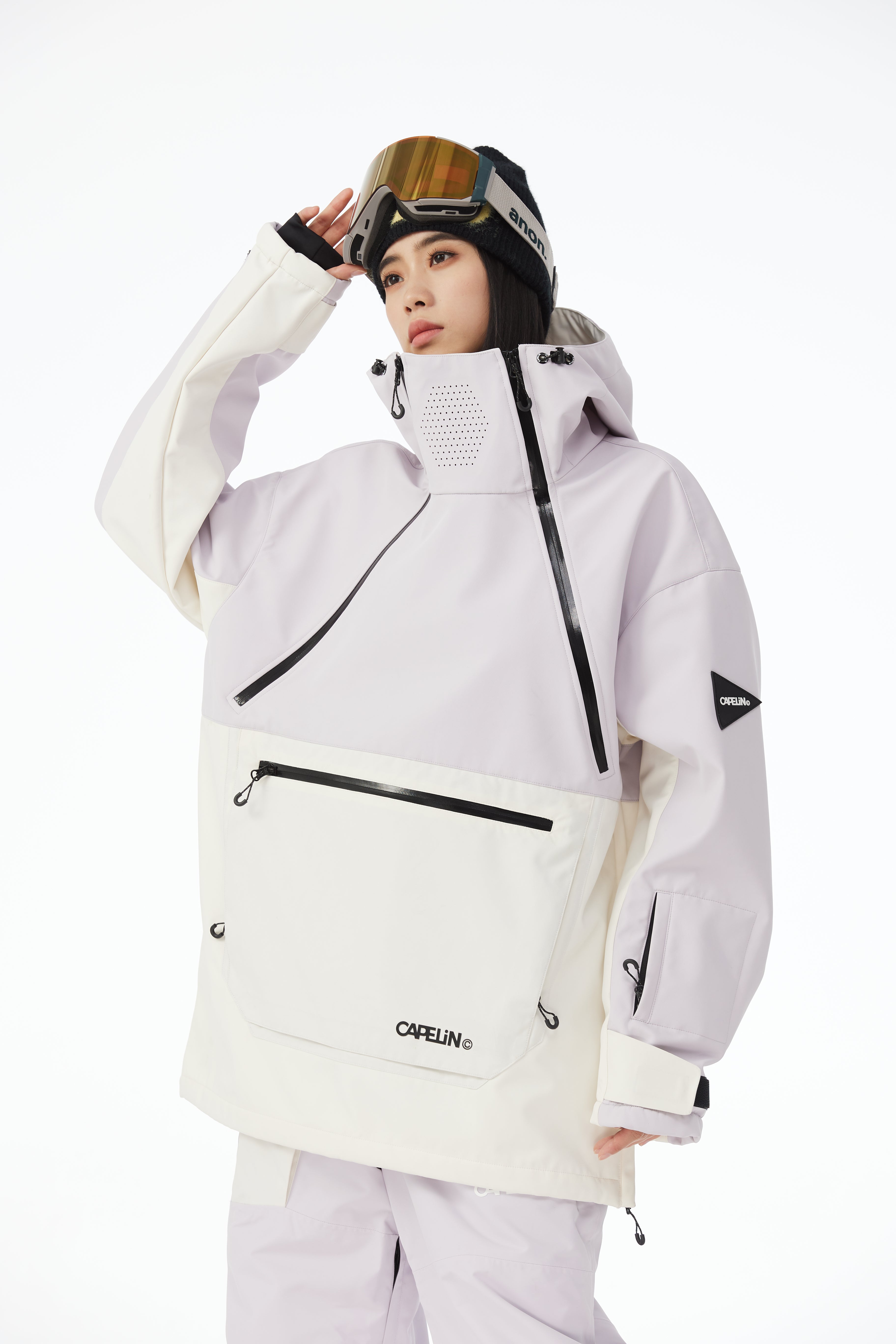
Outer layer: A windproof and waterproof shell is a must, but choose a lightweight, compressible version.
Accessories
-
Helmet: Snow in the southern hemisphere tends to be hard and firm – a helmet isn't optional, it's a requirement.
-
Goggles: Pack an extra lens with high light transmission for cloudy and stormy weather.
-
Hat: A foldable wide-brim hat is perfect for airports and après-ski bars. The Coal Atlas series hats have a brim that rolls up and secures with a leather strap, fitting into a carry-on bag with zero hassle.
Sun Protection Three-Piece Kit
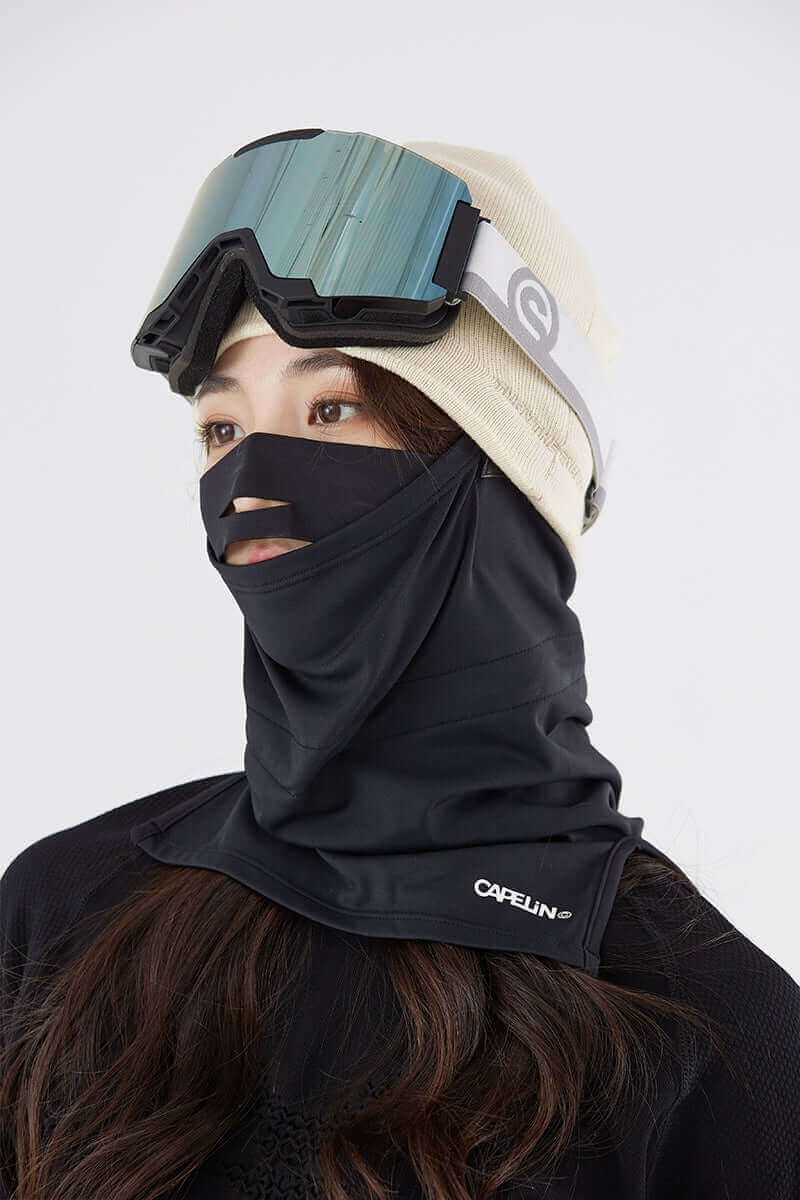
High-SPF sunscreen, lip balm, and a face covering that shades your nose and cheeks. The ozone layer is thinner in the southern hemisphere – sunburn happens faster than you'd expect, even on cloudy days.
Portable Wax and Scraper
Don't bring multiple boards. Snow conditions in the southern hemisphere change fast – you might be riding hard, groomed runs in the morning and bouncing through spring corn snow off-piste in the afternoon. One all-mountain board (90-100mm underfoot) is the most practical choice.
Small Tool and Spare Binding Straps
Resort repair shops are few and far between. One portable screwdriver and two extra binding straps can save half a day – or even a full day – of riding.
Ski Insurance Card and Rescue App Downloaded
Not a joke. Save your insurance company's emergency rescue number in your phone before you go, and download local offline maps. Some backcountry areas at southern hemisphere resorts have no signal – but you can cache offline data for those zones ahead of time.
All of this stuff won't even fill a 20-liter backpack. But forget one item, and it might send you back to the hotel before lunch.
Conclusion
Summer in the northern hemisphere doesn't mean you have to stuff your snowboard into storage. From the Andes to New Zealand's Southern Alps, to that lonely trail on the African high plateau – the southern hemisphere offers a true off-season continuation for skiers who just can't get enough. Like Mike Rogge did, turning "summer" into the start of another snow season only takes a plane ticket, a backpack, and a heart that doesn't want to stop. You don't have to wait for winter – winter is already waiting for you, down south.
FAQ
Q1. What are the specific months of the southern hemisphere ski season, and when is the best travel window?
A1.Mid-June to early September. The best window is late July to late August, when snow coverage is most stable and the southern hemisphere school holidays have just ended, meaning fewer crowds.
Q2. Is the southern hemisphere suitable for beginner skiers? Are there any recommended entry-level resorts?
A2.Yes, it is suitable. New Zealand's Cardrona is recommended, as its beginner trails are extremely wide; Australia's Perisher also has plenty of green and blue runs. Resorts in Chile tend to be steeper in general, so they are not highly recommended for absolute beginners as a first destination.