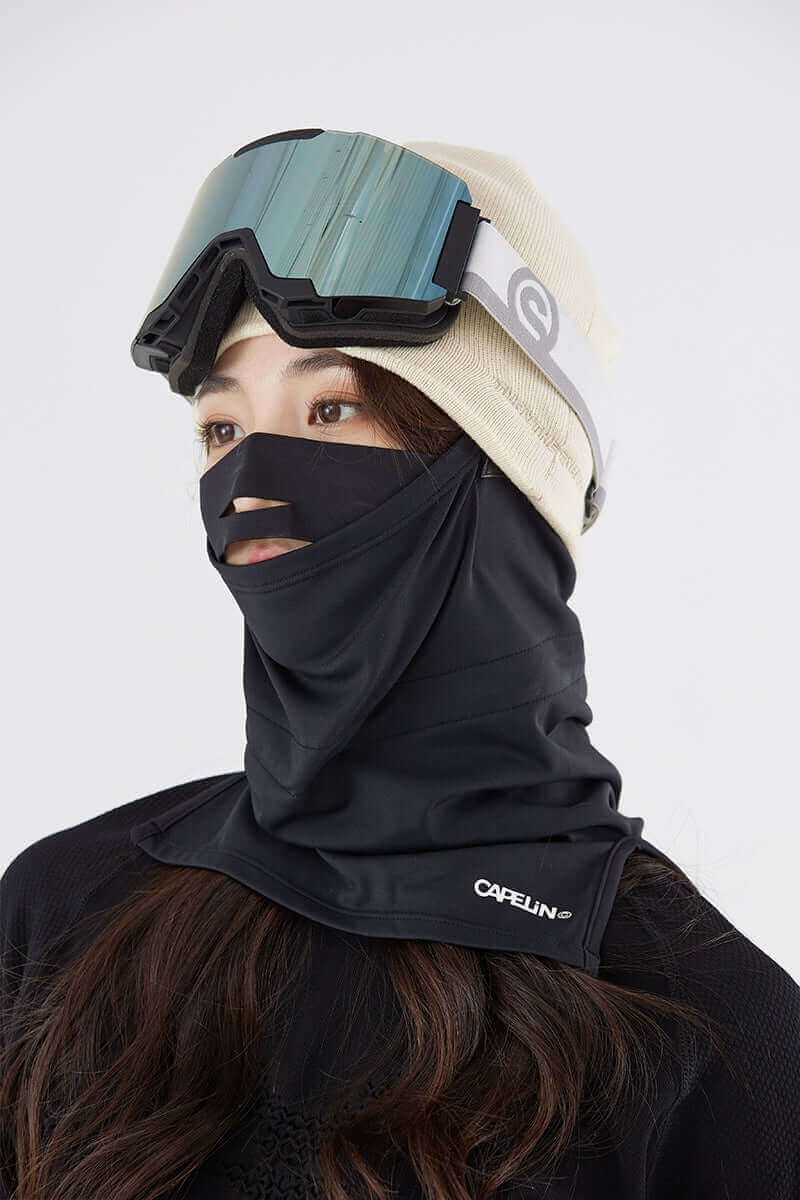
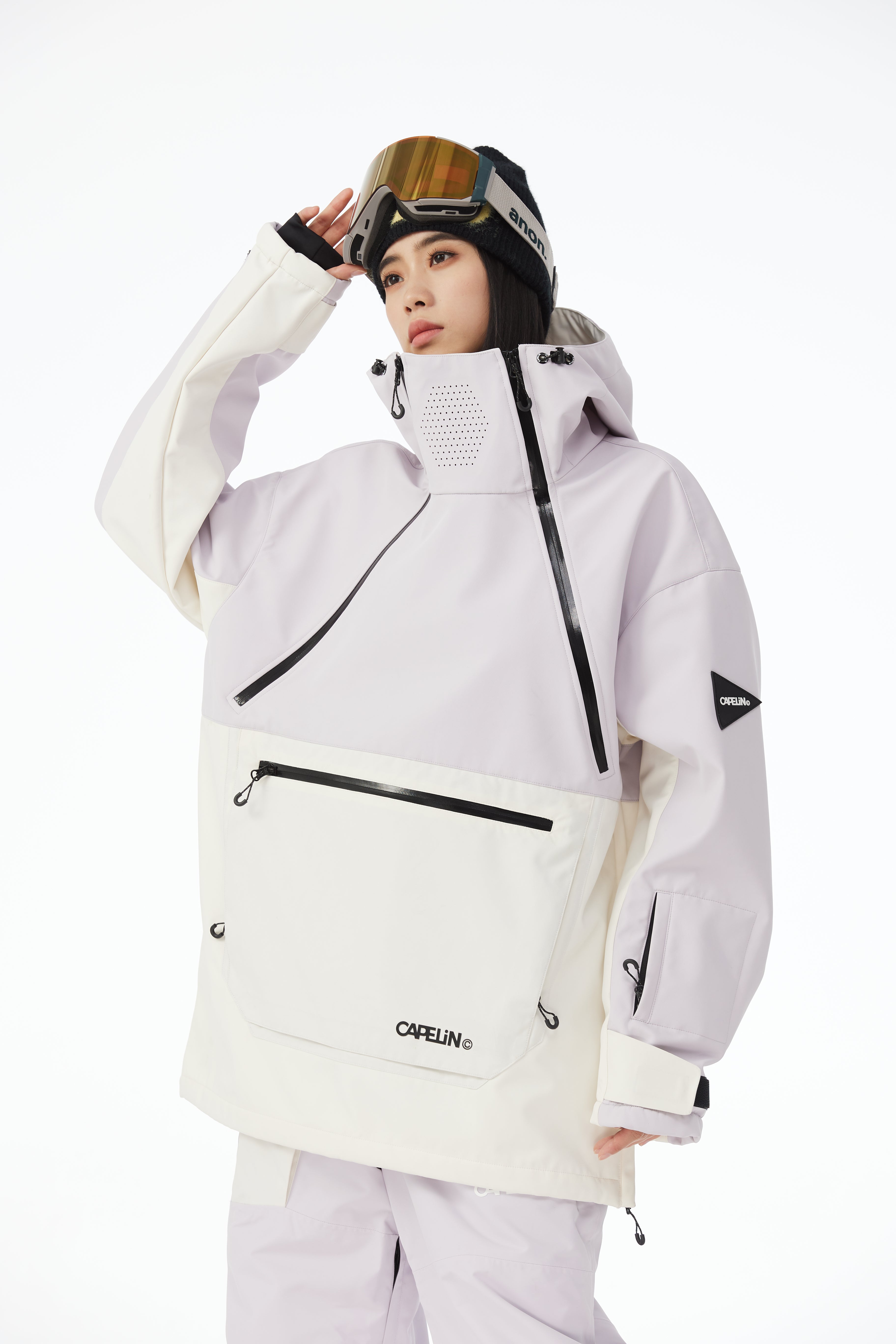
A cold lower back, a waistband that digs in on the chairlift, thighs that feel tight on every squat, a hem that soaks up slush by lunchtime: most riders blame the weather or the snow for these problems when the real culprit is fit. Even a well-built pair of waterproof pants will frustrate you all day if it doesn't suit your proportions. This guide treats women's snowboard pants as a troubleshooting exercise. Instead of listing features, it walks through the symptoms riders actually notice, explains what causes each one, and shows what to check before you buy so that snowboard pants for women work with your body rather than against it.
🔽 Quick Navigation
- 📌 Why a Women-Specific Cut Changes the Way Snowboard Pants Fit
- 📌 Waist and Rise: Closing the Gap Without the Pinch
- 📌 Hips, Thighs, and Knees: Room to Move Without Excess Fabric
- 📌 Inseam, Hem, and Boot Compatibility
- 📌 Fit Troubleshooting at a Glance
- 📌 Final Thoughts: Test the Fit, Then Trust the Details
- ❓FAQ
Why a Women-Specific Cut Changes the Way Snowboard Pants Fit

Men's and unisex patterns are generally drafted around a straighter waist-to-hip ratio, so the same pant in a smaller size doesn't automatically solve the problem. A women-specific cut reshapes the waist, hips, and thighs, and it relocates the knee so that bending happens where your knee really sits. The collection's own FAQ makes the point plainly: women's pants are not simply smaller versions of men's, and they use narrower waists and adjusted knee placement for better comfort. That detail matters more than it sounds, because a knee panel that sits half an inch too high or too low will pull on every turn.
The goal is a women-specific ergonomic fit that leaves room for base layers and protective gear without turning bulky or oversized. Sizing runs from XS to XXL, but the size on the tag is only a starting point. Four variables decide whether a pair works for you: the waist and rise, the room through the hips and thighs, the knee articulation, and the inseam length relative to your boots. The sections below take them one at a time, starting at the top.
Waist and Rise: Closing the Gap Without the Pinch

The waist is where most fit complaints begin. A waist gap is the most common culprit behind a cold lower back: when you bend forward or sit in the snow, a pant with a low rise or a loose waistband pulls away from your jacket and lets cold air and snow in. The opposite problem is a pinch, where a waistband sized for standing digs in as soon as you sit on a lift or crouch to strap in. Both come down to rise and adjustability.
Test the waist the way you'll actually ride. Put the pants on over your usual base layer, wear a jacket, then sit, bend forward, and reach down to your toes while checking the back for gaps. A good adjustable waistband lets you cinch the pant down on a windy morning and loosen it after lunch, which solves most mild gap-and-pinch problems without changing sizes. If you keep fighting the waist no matter what you try, a pant without a waistband may suit you better: women's snow bib pants raise the coverage up the torso and remove the waistband pressure altogether, which is why some riders switch after a season of adjusting.
Hips, Thighs, and Knees: Room to Move Without Excess Fabric

Once the waist works, test the lower body with a full squat, a high step, and a deep knee bend. Fabric that pulls across the thighs or tugs at the knees signals that the pant lacks room or articulation. The women's collection describes a tailored cut with articulated knees and gusseted seams, features that let the fabric move with your body when you press a rail or carve a deep turn instead of resisting you. If you run warm, look for thigh vents as well, which are available on selected styles and let you dump heat without removing a layer.
This is also the zone where protective gear changes the fit. Impact shorts, hip pads, and knee pads go underneath the pants, so always try the pants on with whatever you'll wear on the mountain. A pant that fits perfectly over leggings can bunch or pinch once pads are added, and bunching under the seat is both uncomfortable and a reliable sign the size is wrong. Protective equipment only helps when it fits properly, and the Canadian Paediatric Society's snow sport injury-prevention statement stresses proper fit and adjustment of equipment while also recommending wrist guards for snowboarding. Its guidance was written with young riders in mind, but the underlying point applies to anyone layering protection under pants: if the gear shifts or restricts you, it needs adjusting.
Inseam, Hem, and Boot Compatibility

Inseam length is the most overlooked fit variable, and it affects both warmth and durability. A hem that is too long drags under your heel, soaks up slush, and wears through quickly. One that is too short rides up when you sit or crouch and exposes the top of your boot, which is exactly where snow wants to enter. Snowboard pants are generally cut longer than ski pants so that the cuff still covers the boot when you're seated, which is why checking length with your boots on matters more than checking it barefoot.
Look at how the hem finishes, too. An internal boot gaiter seals the pant leg against your boot and keeps snow out during falls, adjustable cuffs let you tighten or loosen the opening over different boot types, and reinforced kick panels protect the inner ankle from edge and binding wear. For a broader walkthrough of articulated fit and layering, the snow pants complete guide is a useful companion read, and it recommends measuring your actual waist and hip against the size chart on each product page rather than relying on your usual size. If you fall between two lengths, choose according to the boots you wear most.
Fit Troubleshooting at a Glance

The table below matches common fit symptoms to their likely causes and the details worth checking. Use it while you shop or when you're deciding whether a pair you already own is worth keeping. Most problems on the list can be fixed with an adjustment rather than a new purchase, so work from the top of the table down before assuming the whole pant is wrong. A tightened waistband, a re-secured cuff, or a thinner base layer often solves what feels like a sizing failure, and trying those changes first tells you whether the problem is the pant or the setup.
| Symptom | Likely Cause | What to Check or Try |
|---|---|---|
| Cold gap at the lower back | Rise too low or waistband too loose | Higher rise, tighten the adjustable waistband, or consider a bib |
| Waistband digs in when seated | Waist cut too narrow for your layers | Test with real base layers, loosen the waistband, or size up |
| Thighs feel tight on a squat | Not enough thigh room or no articulation | Articulated knees, gusseted seams, or the next size up |
| Fabric pulls at the knees | Knee placement or cut too slim | Do a full squat in the fitting; compare articulated styles |
| Hem soaks up slush | Inseam too long or cuffs not secured | Adjustable cuffs, boot gaiter, shorter inseam |
| Hem rides up over the boot | Inseam too short | Longer inseam, check the fit while seated with boots on |
| Bunching under the seat | Pants too slim for pads or shorts | Try on with protective gear, then size up |
Once the fit works, match the warmth to your climate. The collection's own guidance places insulated styles at roughly -10°C to -20°C for very cold days and high-altitude resorts, while shell pants suit around 0°C to -10°C and can be layered with thermal base layers for extra warmth. Treat the temperature rating as the last decision, after fit, because a pair that fits badly will feel cold at any rating.
Final Thoughts: Test the Fit, Then Trust the Details
The best women's snowboard pants are the ones you stop thinking about by mid-morning. Measure your waist and hips, test the pants with the layers and protective gear you'll actually wear, and run through the sit, squat, and bend checks before you commit. If a pair passes those tests, details like articulated knees, adjustable cuffs, and boot gaiters will do the rest. Many riders also find it practical to order two sizes and compare them at home, so it's worth reading the return and exchange policy before you decide.
❓FAQ
Q1: Should I size up in women's snowboard pants?
Size up if you fall between two sizes and plan to wear thick base layers or protective gear, then use the adjustable waistband to take in any extra room at the waist. Check your actual waist and hip measurements against the size chart on the product page rather than assuming your usual size will match.
Q2: How do I know if the rise is right?
Put the pants on with a jacket and your normal layers, then sit, bend forward, and reach down. If cold air reaches your lower back or the waistband digs in when you sit, the rise or waist size isn't right for you, and a higher rise or a bib may work better.
Q3: Do women's snowboard pants have to be baggy?
No. A well-cut women-specific fit leaves room for base layers and protective gear without looking bulky or oversized. Choose the amount of room that suits how you ride and what you wear underneath.
Q4: Are insulated or shell women's snowboard pants better?
It depends on temperature and how hard you ride. Insulated pants suit very cold conditions, while shell pants are more versatile and pair with thermal base layers on colder days. Active riders who run warm often prefer a shell with thigh vents.
Q5: Can I wear impact shorts or hip pads under snowboard pants?
Yes, as long as the pants are sized to leave enough room. Try the pants on with the protective gear you plan to wear, and if you notice bunching or pinching under the seat or at the thighs, go up a size or look for a roomier cut.