Honestly, this is the question every first-timer asks. Australia and skiing don't naturally appear in the same sentence for most people — and yet every winter, thousands of riders head to the Australian Alps and come back genuinely stoked.
The snow is real. The runs are real. And for riders in the Southern Hemisphere, it's one of the only places to get proper mountain time between June and September while the rest of the world is in summer mode.
Is it the same as the Alps or Japan? No. But it has its own character — shorter lift queues, a relaxed crowd, and conditions that, if you're dressed for them properly, make for a legitimately great day on the mountain.
The key word there is "dressed for them properly" — because Australian snow conditions are more variable than most people expect, and that's exactly what we're going to break down.
🔽 Quick Navigation
- 📌 What the Australian Snow Conditions Actually Demand
- 📌 The Layering Game: Don't Underestimate Australian Mountain Weather
- 📌 The UV Factor: A Uniquely Australian Consideration
- 📌 Don't Forget the Accessories — They Matter More Than You Think
- 📌 Off the Slopes: The After-Ski Side of an Australian Snow Trip
- 📌 One Last Thing
- ❓FAQ
What the Australian Snow Conditions Actually Demand

Here's something worth knowing before you pack: Australian snow conditions are genuinely variable. You might hit a bluebird day with groomed corduroy runs, or you might face slushy spring snow by midday, followed by an afternoon freeze that turns everything icy.
Some days you'll deal with strong UV rays reflecting off fresh snow at elevation — Australia's ozone situation means sun protection matters on the mountain more than almost anywhere else.
This means your Australia ski season gear needs to check multiple boxes at once: waterproof enough for wet snow days, breathable enough for warm afternoons, and built with enough UV resistance to protect you when the sun is blazing overhead.
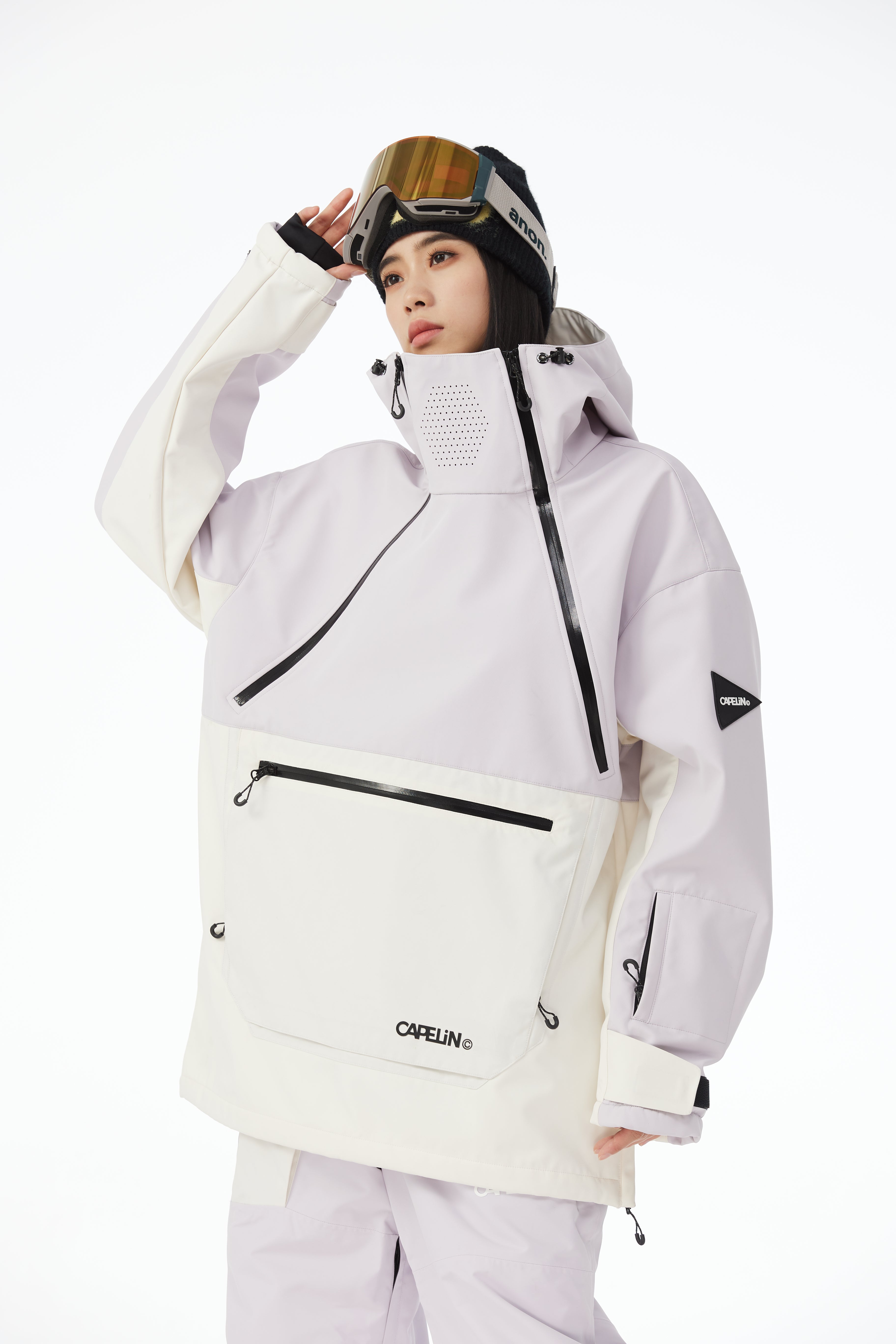
A shell jacket — rather than a heavy insulated one — is often the smarter call for the Australian mountains. You can layer underneath to adapt to the morning cold, then vent or strip a layer by noon.
CAPELiN Crew's snowboard jackets collection covers exactly this kind of versatility, with options ranging from 2L to 3L shell constructions that let you control your own warmth.
The Layering Game: Don't Underestimate Australian Mountain Weather

Experienced riders in Australia will tell you: dress in layers, always. The temperature swing between a 7am first run and a 1pm break for a flat white can be dramatic.
Getting your layering system right is what separates a comfortable day on the mountain from a miserable one.
Base layer
This is your foundation. In the Australian context, you want something that wicks moisture efficiently, because even on cold days you'll sweat during hard runs.
A merino wool or technical synthetic base layer is ideal — soft against skin, odor-resistant, and quick-drying.
CAPELiN Crew's base layer collection includes both merino wool and volcanic clay heat-trap options, which are particularly good at managing that sweat-cool-warm cycle that Australian conditions produce.
Mid layer
A fleece or light insulating hoodie works beautifully. On warmer days, this might even double as your outer layer during afternoon laps.
Outer shell
Windproof, waterproof, and ideally with good venting options.
The Frost Unisex 3L Insulated Snowboard Jacket is worth a look if you want an all-in-one solution, while the Alpha Unisex 3L Shell Snowboard Jacket pairs perfectly with your own mid-layer choice for maximum adaptability.
The UV Factor: A Uniquely Australian Consideration

Here's something that doesn't come up enough in ski gear conversations: UV protection on the mountain.
In Australia, UV radiation at elevation is significantly higher than in most Northern Hemisphere ski destinations. Snow reflects UV rays, meaning you're getting exposure from above and below simultaneously.
This is especially relevant for those days when you shed a layer at lunch and head back out in a lighter setup.
Having an anti-UV layer in your kit isn't overkill — it's actually smart packing for an Australian ski trip.
CAPELiN Crew actually makes this easy — their anti-UV jacket lineup was designed with exactly this in mind. Lightweight enough to stuff in a backpack, protective enough to matter, and stylish enough to wear off the mountain too.
Don't Forget the Accessories — They Matter More Than You Think

Gloves. Face protection. Socks. These are the items people often buy as an afterthought, then bitterly regret not investing in properly when they're on the mountain.
Cold hands ruin a session faster than almost anything else.
The CAPELiN Crew Snow Mittens and gloves range from entry-level to proper insulated mittens with liners — pick based on how cold-sensitive your hands run.
And socks — yes, socks — make a real difference.
A good over-the-calf snow sock keeps your boot liner from rubbing and your feet warm without excessive bulk.
The SnowPaw Merino Wool Snow Socks are a practical addition to any kit heading to the Australian slopes.
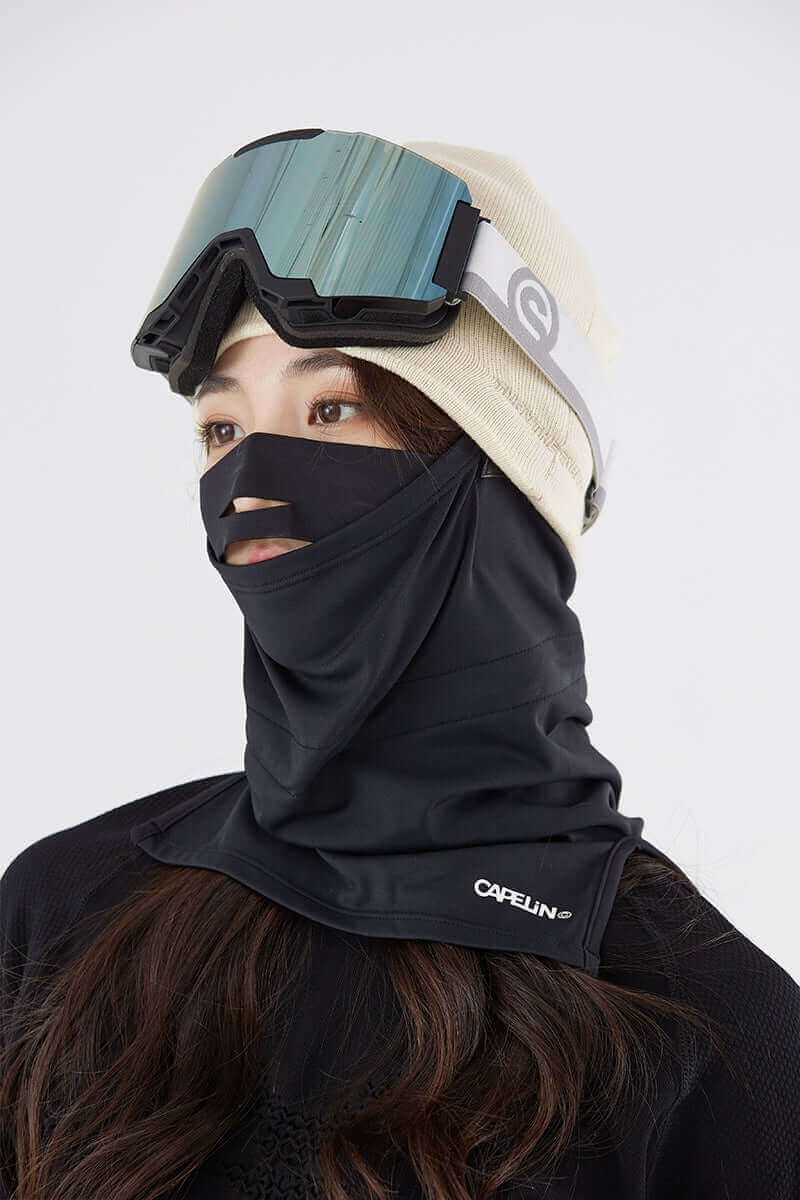
A face mask or balaclava is also worth throwing in your bag.
When wind picks up at elevation, exposed skin on the face gets chapped fast — and again, UV exposure is a real factor even on overcast Australian days.
Off the Slopes: The After-Ski Side of an Australian Snow Trip

One of the underrated pleasures of an Australian ski trip is what happens after you unclip your bindings.
The resort towns — particularly around the Snowy Mountains area — have a genuinely cozy post-ride scene, with warm pubs, local food, and that specific kind of relaxed energy that comes from a good day outdoors.
This is where having gear that transitions off the mountain matters.
A jacket that looks good in the lodge or at dinner means you don't need to lug a separate outfit.
CAPELiN Crew's broader outdoor collection — including windbreakers and outdoor pants — bridges exactly that gap between technical performance and everyday wearability.
One Last Thing
Australia's ski season gear requirements are distinct from what you'd pack for the Alps or Japan.
The sun is fiercer, the conditions more variable, and the culture more laid-back.
Getting your kit right means you spend more time focused on riding — and less time fighting the elements.
If you're gearing up for the upcoming Australian season, browse the full CAPELiN Crew collection — they ship to Australia, and the range covers everything from technical 3L shells to lifestyle pieces that work on and off the mountain.
❓FAQ: FAQ: Everything You Wanted to Know Before You Go
Q1: How good is the snow quality in Australia compared to Japan or Europe?
This is the most-asked question, and it deserves an honest answer. Australian snow is not the light, dry powder of Hokkaido. Conditions are genuinely variable — mornings can offer groomed corduroy, while afternoons may turn slushy before refreezing into ice. That said, it's not all gloom: Thredbo sees an average of 3.5 metres of snowfall annually, with peak-season snow depth typically ranging between 1 and 2 metres. Extensive snowmaking systems across all major resorts ensure reliable trail coverage throughout the season.
Q2: How much do lift tickets cost?
Prices vary significantly depending on timing and how far in advance you book. At Perisher, adult single-day passes range from AUD $193 to $253 depending on the date and advance booking. If you're planning more than four days on the mountain, the Epic Australia 4-Day Pass covers Perisher, Falls Creek, and Hotham for around AUD $142 per day — up to 40% cheaper than individual day tickets. Buying in advance is always the smarter move; walk-up prices at peak times are noticeably higher.
Q3: Perisher or Thredbo — which is better for a first visit?
There's no single right answer — they suit different riders. Perisher is the largest ski resort in the Southern Hemisphere, spanning around 1,245 hectares with over 100 runs across four interconnected areas, making it especially strong for beginners and intermediates. Thredbo is known for Australia's longest runs and greatest vertical drop, with terrain split roughly 30% beginner, 34% intermediate, and 36% advanced — a more challenging overall profile. As a rule of thumb: beginners and families tend to prefer Perisher; advanced riders and snowboarders often lean toward Thredbo.
Q4: Is skiing in Australia suitable for beginners, or is it mainly for experienced riders?
Absolutely suitable for beginners. Perisher, for instance, spans four interconnected areas with over 100 runs across all ability levels, making it one of the most beginner-friendly major resorts in the Southern Hemisphere. Thredbo's terrain breaks down as 30% beginner, 34% intermediate, and 36% advanced — slightly more challenging overall, but with well-developed learning zones at every level. Both resorts offer professional lessons and full rental services, so even complete first-timers can get up and moving within a day. The one practical tip: avoid peak weekends in the July school holidays, when crowd levels are at their highest and the learning slopes get busy.
Q5: When is the best time to book an Australian ski trip for the best value?
Timing matters a lot. At Thredbo, booking lift passes more than 30 days in advance can save up to 50% compared to in-resort pricing. For accommodation, the July school holidays are the most expensive and hardest-to-book period of the season. If you're on a budget or travelling with kids, early June and the September-to-October window are worth considering — temperatures are milder, snow tends to be softer, and the slopes are noticeably quieter. For those planning four or more days on the mountain, locking in a multi-day pass like the Epic Australia 4-Day Pass early can save up to 40% compared to buying single-day tickets at the resort. The general rule: the earlier you plan, the more you save.