Introduction:
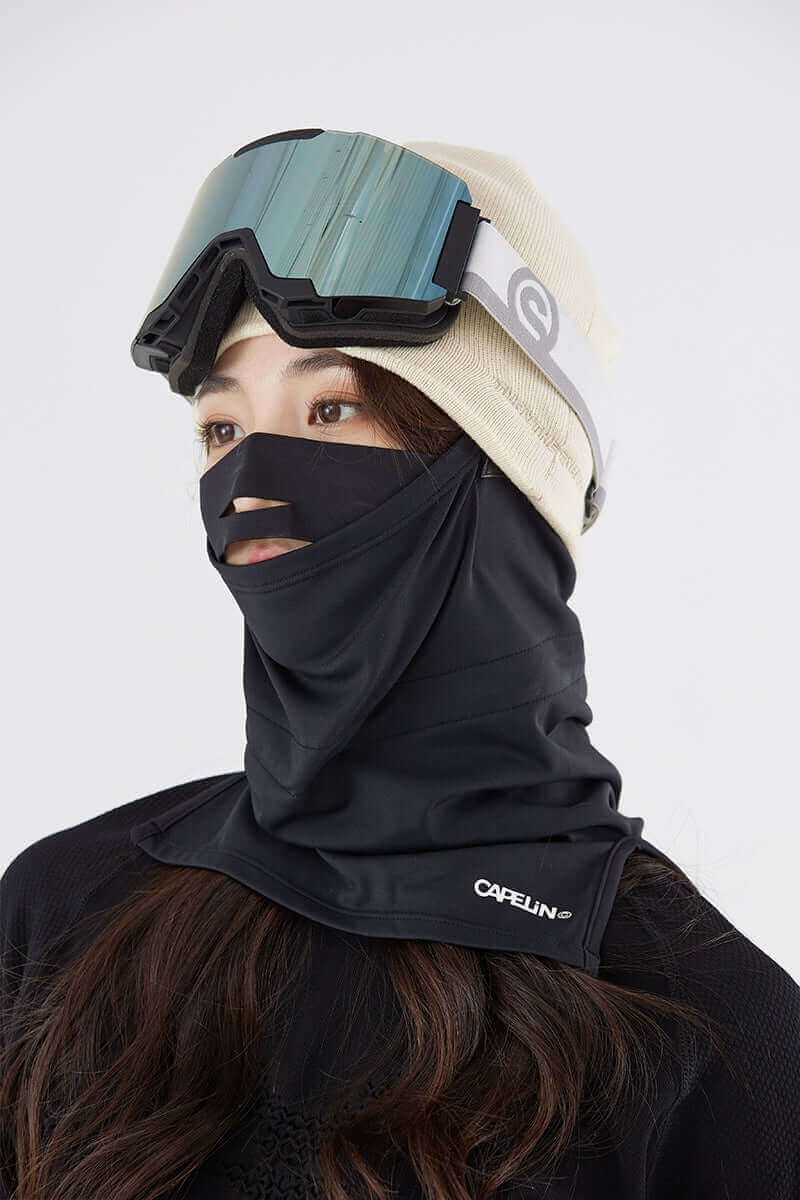
Snowboarding is all about freedom on the slopes, but staying comfortable in changing conditions comes down to one key factor: what you wear under your jacket. Proper layering for snowboarding isn’t just about staying warm—it’s a science that balances temperature regulation, moisture management, and mobility. Without the right layers, you could end up overheating on the way down, sweating on the lift, or freezing when the wind picks up. Cotton T-shirts and bulky hoodies might seem like quick fixes, but they trap sweat and leave you damp and chilled. On the other hand, a well-planned layering system keeps you dry, warm, and agile, no matter how intense your runs (or how unpredictable the weather gets). Let’s break down the best ways to layer up for snowboarding so you can focus on shredding—not shivering.
Contents:
- The 3 layer wearing system explained
- Base Layer: Moisture-Wicking Foundation
- Mid Layer: Insulation for Extra Warmth
- Outer Layer: Weatherproof Protection
- Conclusion
The 3 layer wearing system
When it comes to snowboarding, the right layers make all the difference between a comfortable day on the mountain and a miserable one. A proper three-layer system ensures you stay dry, warm, and protected from the elements. Here’s how it works:
1. Base Layer: Moisture-Wicking Foundation
Your base layer is your second skin—it should pull sweat away from your body to keep you dry and warm. Merino wool is a top choice because it’s naturally odor-resistant, breathable, and regulates temperature well, even when wet. If you prefer synthetic fabrics, look for polyester or nylon blends designed for high-intensity activities. Avoid cotton at all costs—it traps moisture and leaves you feeling clammy and cold.
2. Mid Layer: Insulation for Extra Warmth
While not always necessary, a middle layer becomes essential when temperatures plunge. For lightweight yet toasty insulation, a down jacket or synthetic insulated jacket excels at trapping heat without bulk. If you prefer breathable, adaptable warmth (perfect for variable conditions or high-output riding), a fleece jacket is ideal—like CapelinCrew's Landscape Middle Layer jacket, designed for seamless layering under shells. The key? Adjustable warmth that moves with you, not against you.
3. Outer Layer: Weatherproof Protection
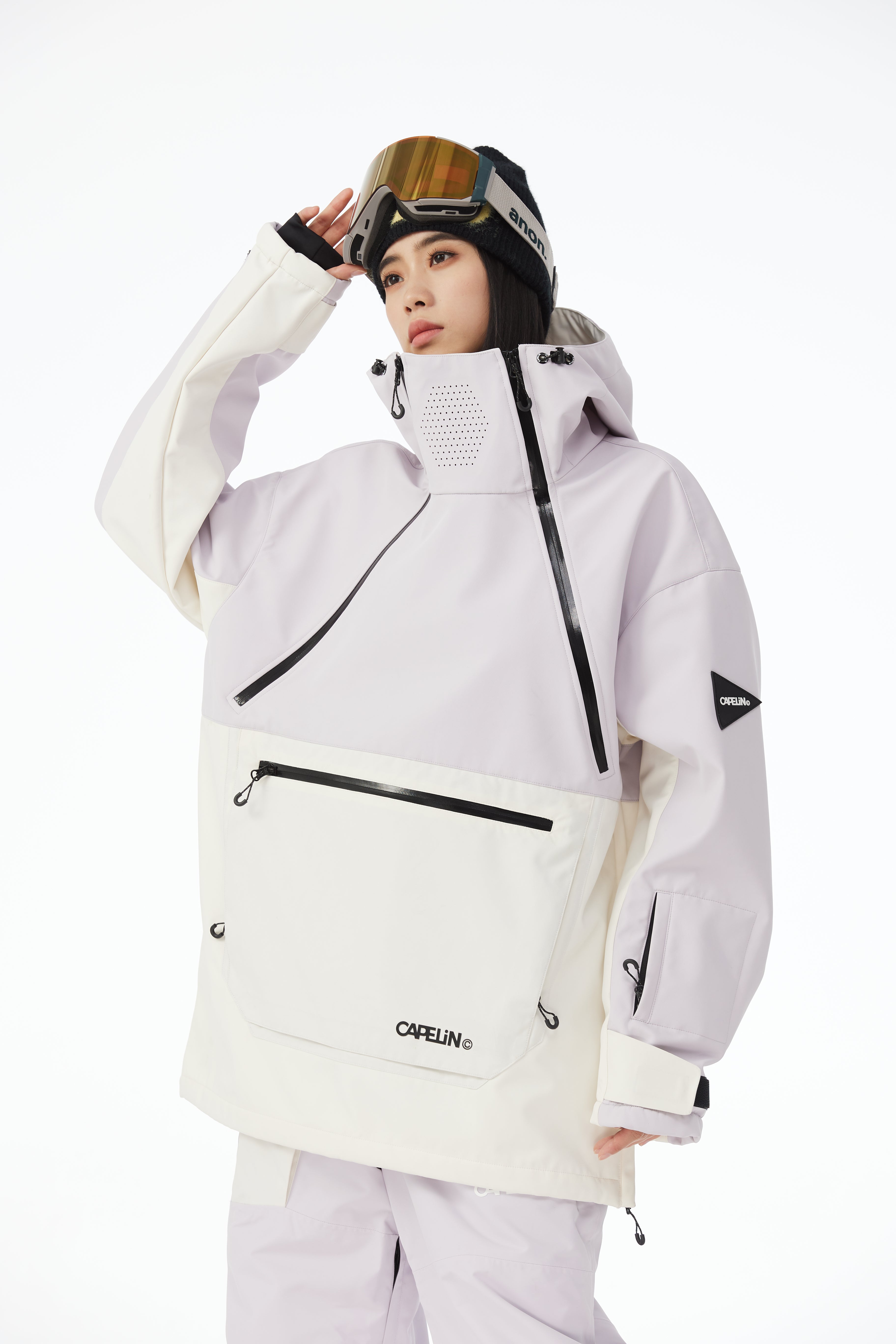
Your snowboard jackets is your final defense against wind, snow, and rain. When layering for snowboarding, look for fully waterproof and breathable materials (e.g., Gore-Tex or similar tech) with sealed seams. A good jacket should also have ventilation zips to dump heat when needed. Whether you choose a snow-specific design or a versatile ski jacket, the outer layer must block the elements while letting sweat escape. Make sure you pick a jacket features durable water repellency, as well as waterproof fabrics.
Conclusion
By mastering these three layers, you can adapt to any weather—whether it’s a frigid powder day or a spring slush session. Up next, we’ll dive deeper into layering for snowboarding for your riding style.
FAQ: Snowboarding Layering System Explained
What is the 3-layer system for snowboarding?
The 3-layer system consists of a base layer for moisture-wicking, a mid layer for insulation, and an outer layer for weather protection. Together, they help regulate temperature, manage sweat, and protect against wind and snow.
Why is layering important for snowboarding?
Layering is important because it allows you to adjust to changing weather and activity levels. A proper layering system keeps you warm, dry, and comfortable without overheating or getting too cold.
What is the best material for a base layer?
The best base layer materials are Merino wool and synthetic fabrics like polyester or nylon blends. These materials wick moisture away from the skin and help regulate body temperature. Cotton should be avoided because it retains moisture.
Should I choose a down or synthetic mid layer?
Down mid layers are lighter and warmer in dry, cold conditions, while synthetic insulated layers perform better in wet environments because they retain warmth even when damp. The best choice depends on your riding conditions.
What should I look for in an outer layer jacket?
Look for a fully waterproof and breathable jacket with sealed seams, durable water-repellent coating, and ventilation zips. These features protect against the elements while allowing heat and moisture to escape.
Can I snowboard without a mid layer?
Yes, in milder conditions or during high-intensity riding, you may not need a mid layer. The layering system is flexible, allowing you to add or remove layers depending on temperature and activity level.
Why should you avoid cotton when snowboarding?
Cotton absorbs and retains moisture, which can leave you feeling wet and cold. This reduces insulation and increases the risk of discomfort in cold conditions, making it unsuitable for snowboarding.