Too busy with work or school during the day to squeeze in a hike? Or just looking for some fresh excitement? Night hiking isn't as complicated as you might think. With the right preparation, the trails after dark will give you a completely different experience. Let's start with four practical questions to help you get ready for your first night hike.
🔽 Quick Navigation
- 📌 What are the differences between hiking at night and hiking during the day?
- 📌 What gear should you prepare for a night hiking trip?
- 📌 What precautions should you take while hiking at night?
- 📌 How to prepare for a hiking trip?
- 🧭 Conclusion
- ❓ FAQ
What are the differences between hiking at night and hiking during the day?
When people talk about what is hiking, most picture a sunny, upward-bound scene. But night hiking is a whole different story.
First, visibility is completely different. During the day, you can see trail markers, tree roots, and junctions from far away. At night, all of that hides in the darkness. On the same route, your sense of distance gets distorted—you might think you've walked two kilometers, but you've probably covered just over one.
Second, your perception of time changes. A section that takes half an hour during the day might take forty minutes or more at night, because you need to move slower and be more careful finding your way.
Third, temperatures are significantly lower. After the sun goes down, a sharp drop in temperature is the norm, which is why we'll talk later about what to wear.
Finally, animals are more active. Nighttime is when many wild creatures come out. You might encounter things you never see during the day, but keep a safe distance.
Simply put, night hiking isn't just "walking the same trail during the day with a headlamp." It requires you to rethink what a hiking trip really means.
What gear should you prepare for a night hiking trip?
Gear is the centerpiece of night hiking. Here are the most critical items.
Lighting gear: A good headlamp is essential. You need a strong beam and long battery life. Charge it fully before leaving home, and bring spare batteries or a small power bank. If your hike starts on city streets, using your headlamp in flashing mode helps drivers see you better.
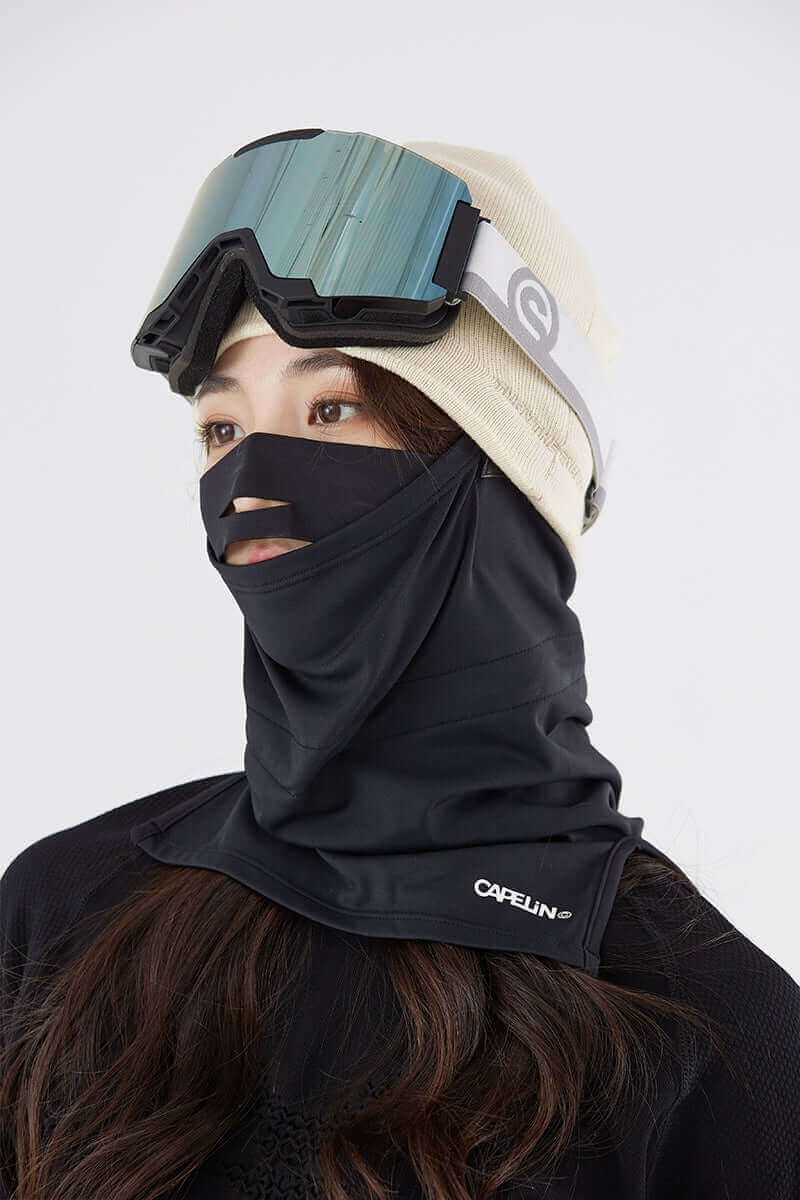
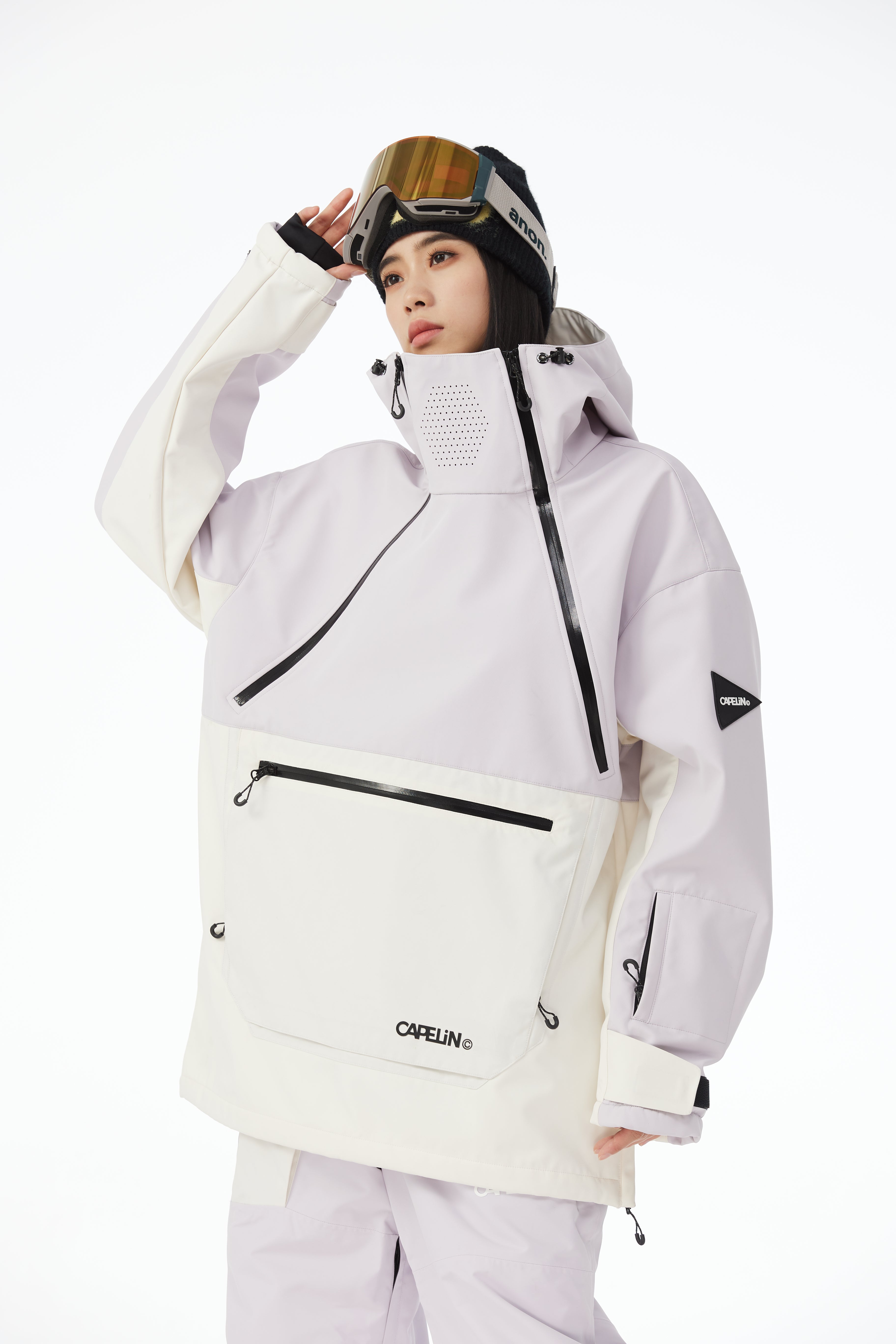
Clothing choices: This is a perfect example of what to wear hiking—the night version. The core principle is layering. Start with a quick-dry base layer, add a fleece or light down jacket in the middle, and top it off with a windbreaker jackets on the outside. A windbreaker is especially useful at night—mountain wind can make the temperature feel much colder. For bottoms, cargo pants are a great choice. They're durable and warm, and the large side pockets are handy for carrying spare headlamp batteries, small snacks, or your phone. Don't forget gloves and a warm hat—most body heat is lost through your hands and head.
Food and water: It's easy to forget to eat and drink at night because the sun isn't there to remind you and your senses are on high alert. Pack a few cereal bars, some snacks, and plenty of water. If it's cold, bring a thermos with hot water.
Navigation and emergency gear: Your phone or GPS must be fully charged, and it's best to bring an external battery as well. A paper map plus your headlamp can also save the day. A first aid kit and a survival blanket are also recommended.
In short, pack in an organized way. Otherwise, fumbling around in the dark for your gloves will drive you crazy.
What precautions should you take while hiking at night?
Safety always comes first. Here are a few special reminders.
Don't go alone. This is the most important piece of advice. Having a buddy means if you twist an ankle, get lost, or just feel uneasy, someone has your back.
How to avoid getting lost: When it comes to how to avoid getting lost while hiking, night time requires extra care. First, choose a route you know well from hiking it during the day. Second, don't overestimate yourself—navigating at night is simply slower than during the day, and the risk of getting lost is higher. Third, download offline maps on your phone or GPS, and keep a paper map as a backup. Fourth, occasionally look back at the path you've taken so you'll recognize it if you need to retrace your steps.
Don't shine your light in others' eyes. Pointing your headlamp at a fellow hiker's face will temporarily ruin their night vision, and it takes several minutes for their eyes to readjust. That's uncomfortable and dangerous.
Respect wildlife. Animals are more sensitive at night. Keep your distance, don't make loud noises, and stay on the trail. If you do, you might witness some amazing scenes that daytime hikers never see.
Don't forget to eat and drink. At night, people tend to ignore their body's signals. But don't skip hydrating and refueling when you need to.
How to prepare for a hiking trip?
A lot of people just grab a headlamp and walk out the door, but what you do before you leave determines whether you succeed or fail.
Choose your route and check the weather. Pick a trail that's moderate in length and difficulty, ideally one you've hiked many times during the day. Check the weather forecast—avoid rainy nights, and if possible, aim for a night with a full moon. Moonlight will save your battery.
Tell someone. Before you leave, tell a friend which trail you're taking, roughly what time you're leaving, and when you expect to be back. Don't think it's a hassle—this might be the most effective safety measure you have.
Check your device batteries. Headlamp, phone, GPS, power bank—charge everything fully. Bring spare batteries too.
Assess your own condition. Night hiking isn't actually less physically demanding than day hiking. In fact, fatigue can hit faster because of the tension. If you've already had a tiring day, don't push it at night.
Dress right. Prepare your layers as mentioned earlier. It's better to bring one extra layer than to be one short. This is where your windbreaker jackets and cargo pants really prove their worth.
Conclusion
Night hiking isn't mysterious or scary. The biggest difference from day hiking is this: you need to rely more on preparation than on instinct. Your headlamp should be bright, your clothes should be warm, your route should be familiar, and it's best to have company. When you've got all that covered, the trails at night will reward you with quiet starry skies, cool air, and a kind of focus you just don't find during the day. Grab your cargo pants, put on your windbreaker jackets, double-check your headlamp and power bank, and head out—you'll find that the world after dark is actually pretty interesting.
FAQ
Question:
Why is it recommended to wear cargo pants instead of regular sweatpants when hiking at night?
Answer:
Because cargo pants are not only more durable and warmer, but their large side pockets are extremely practical — you can easily store spare headlamp batteries, small snacks, or your phone. With limited visibility at night, you don't want to keep stopping to dig through your backpack for small items. Tucking them into your cargo pants pockets makes them easily accessible, saving you time and hassle. Regular sweatpants usually don't offer this kind of multi-pocket design.